Project at a Glance
Minutes to Arrival
Day to Completion
Affected Zones
Same-Day Clearance
Executive Summary
When a sewage loss struck a Dauphin County middle school in March 2026, Harrisburg Restoration — operating under the Advanced DRI network — was on-site in under 30 minutes. The incident originated in an elevator pit, a confined mechanical space packed with aging pipe infrastructure, and required specialized extraction techniques to safely remove sewage, sanitize all affected surfaces, and apply antimicrobial treatment — all within a single school day.
The project demanded precision: technicians had to navigate tight quarters around extensive pipe runs and structural steel while protecting the surrounding school hallways and custodial areas from cross-contamination. Rapid containment, thorough extraction, and professional antimicrobial application returned the facility to safe, operational condition without disrupting the school’s schedule beyond the day of the event.
“Sewage intrusions in commercial facilities require immediate response — every minute of delay increases contamination spread, health risk, and remediation scope.”
Why Immediate Response Is Critical for Sewage Incidents
Sewage Contamination Progression Timeline
0–30 Min
30 Min–2 Hrs
2–24 Hours
24+ Hours
Understanding the Incident
The Source: Elevator Pit Sewage Loss
The incident occurred in the elevator pit of a Dauphin County middle school — one of the most challenging environments for any emergency restoration crew. Elevator pits are, by design, confined spaces: deep, narrow enclosures housing heavy mechanical systems, pipe runs, electrical conduit, and structural steel. When a sewage loss occurred within this pit, wastewater pooled at the lowest point of the structure, with limited drainage and no easy access for standard extraction equipment.
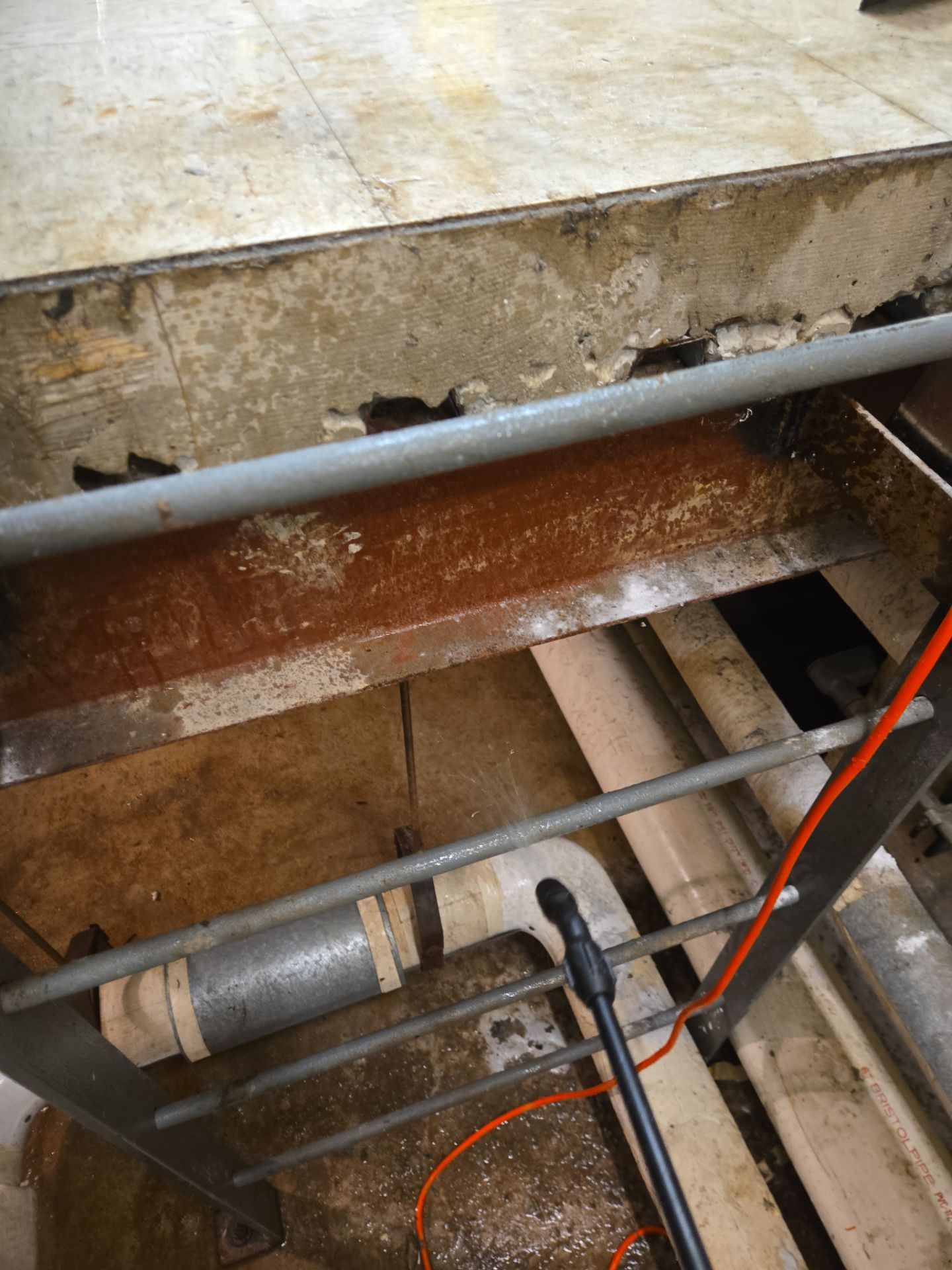
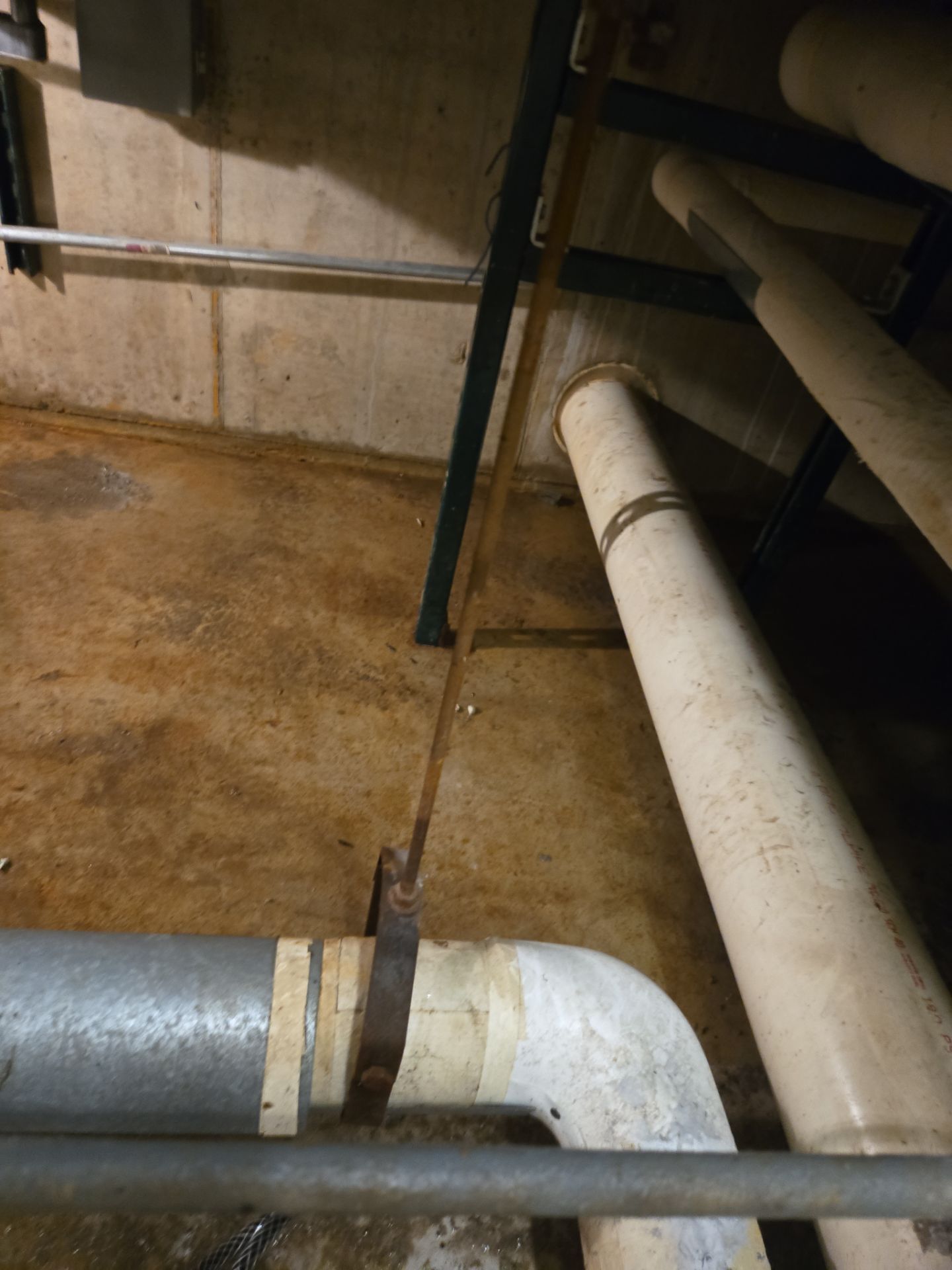
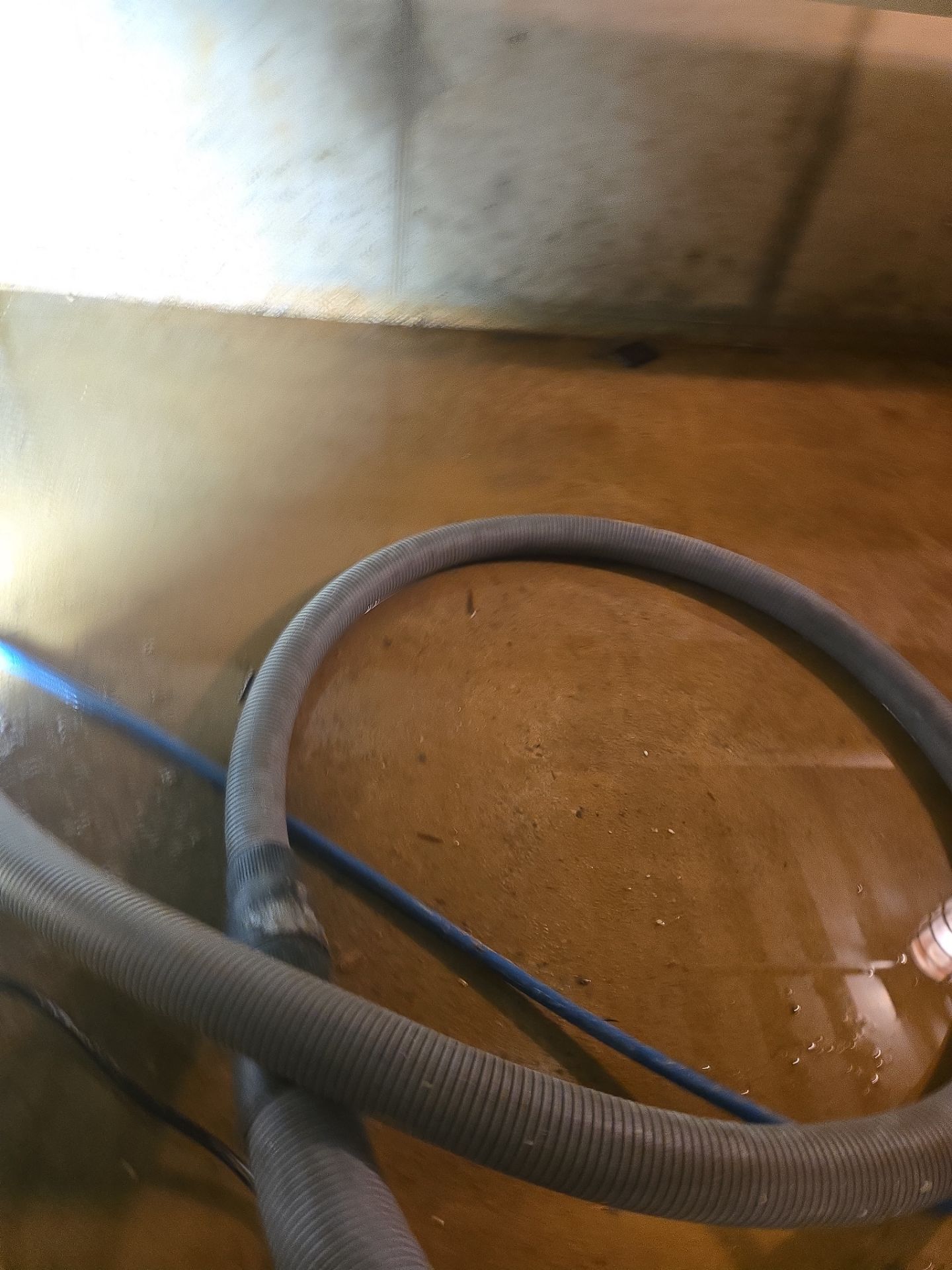
Images document standing sewage water covering the concrete pit floor, with extensive contamination of the surrounding pipe infrastructure, insulated pipe runs, structural steel members, and the interior pit walls. The confined geometry of the space — combined with the dense pipe network — required technicians to maneuver extraction hoses and equipment carefully to avoid disturbing active mechanical systems while still reaching all contaminated surfaces.
Affected Zones: Beyond the Pit
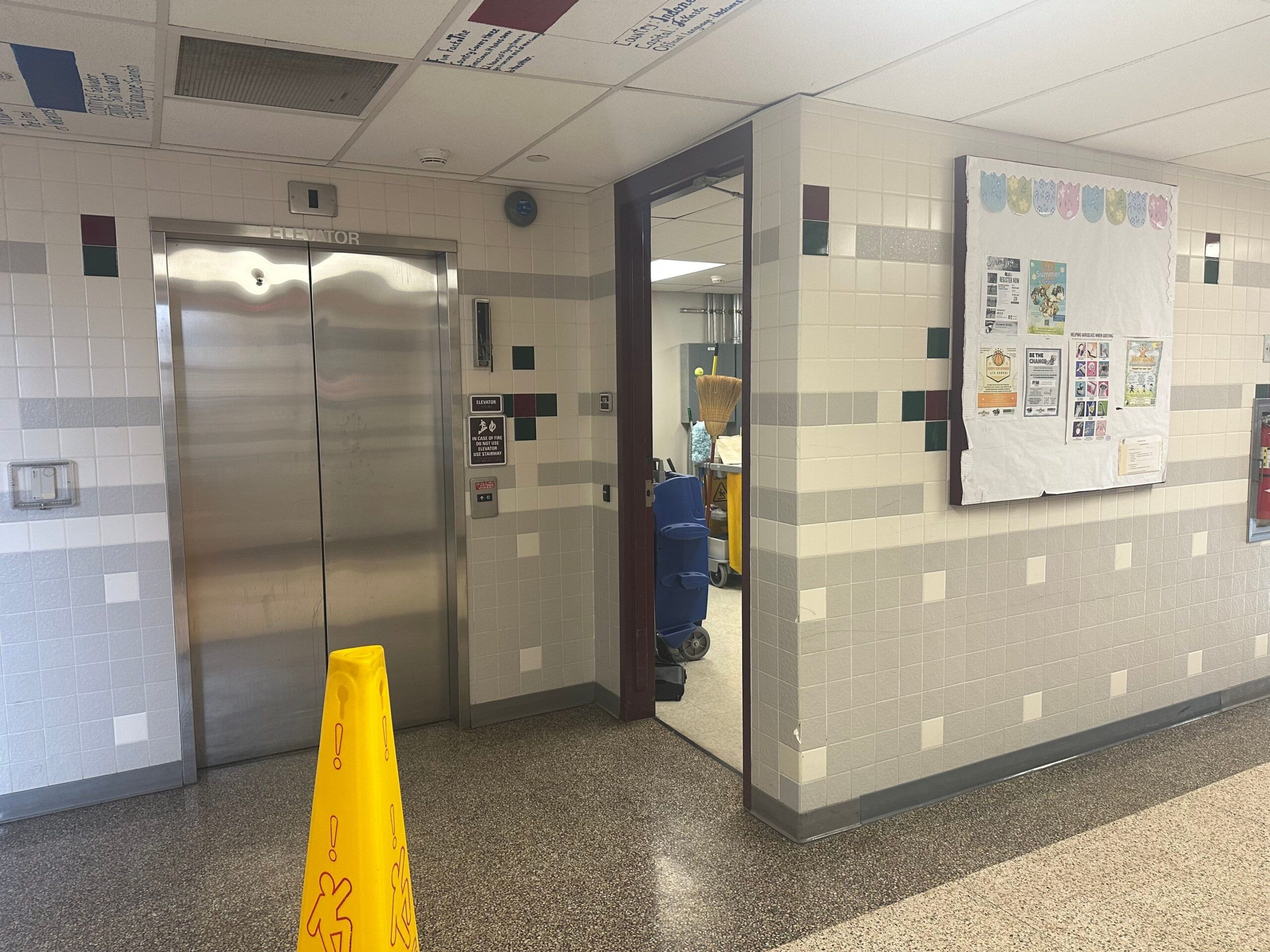
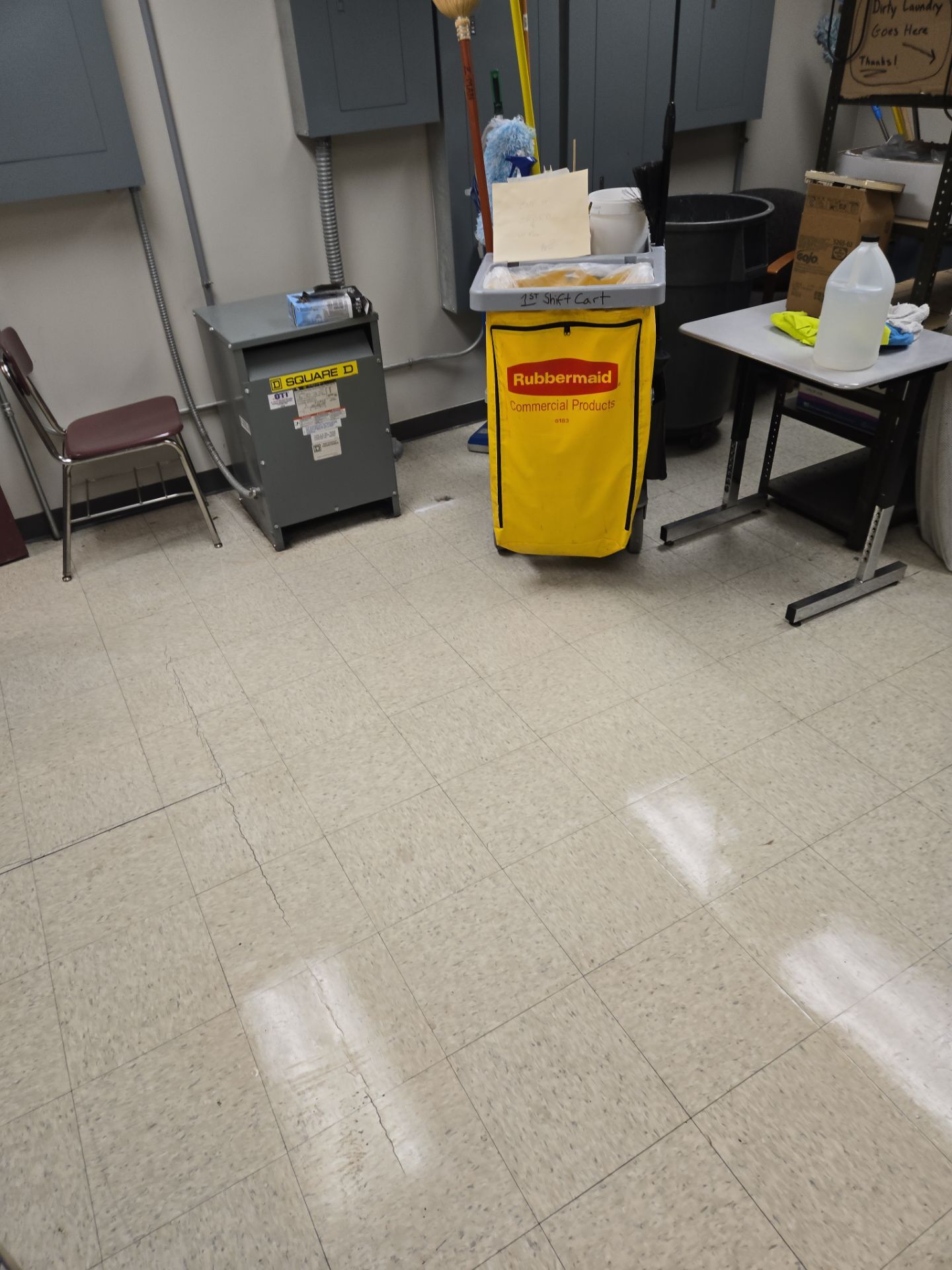
While the elevator pit in ZIP code 17111 was the primary impact zone, the sewage event affected adjacent areas of the school. Hallway corridors near the elevator showed moisture indicators requiring wet floor precautions, and the custodial/service rooms connected to the elevator lobby were assessed for secondary contamination. The scope required coordinated work across multiple zones to ensure thorough decontamination and clearance for continued school occupancy.
Category 3 Water: What It Means
Classification: Sewage water is classified as Category 3 (black water) under IICRC S500 standards — the highest contamination category.
Health Risk: Contains bacteria, viruses, and other pathogens dangerous to occupants, particularly in school settings.
Protocol: Requires personal protective equipment, full extraction, antimicrobial treatment, and documentation — no exceptions.
Regulatory: School facilities in Pennsylvania must comply with health and safety codes; proper remediation documentation is essential for continued operation.
Strategic Response: Serving Dauphin County from Harrisburg
Response Times from Harrisburg HQ (17111)
Property Assessment and Scope of Damage
Primary Impact Zone: The Elevator Pit
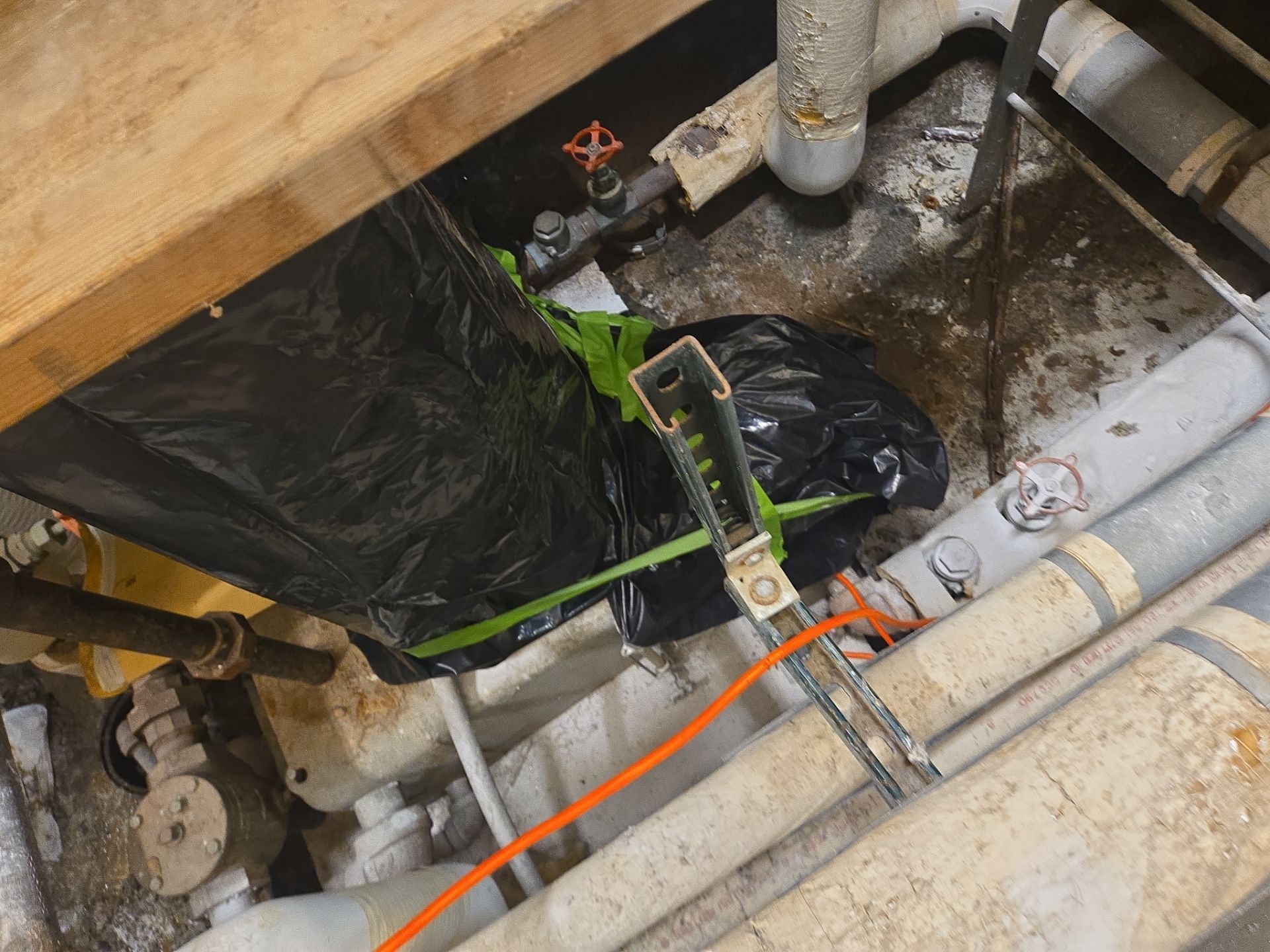
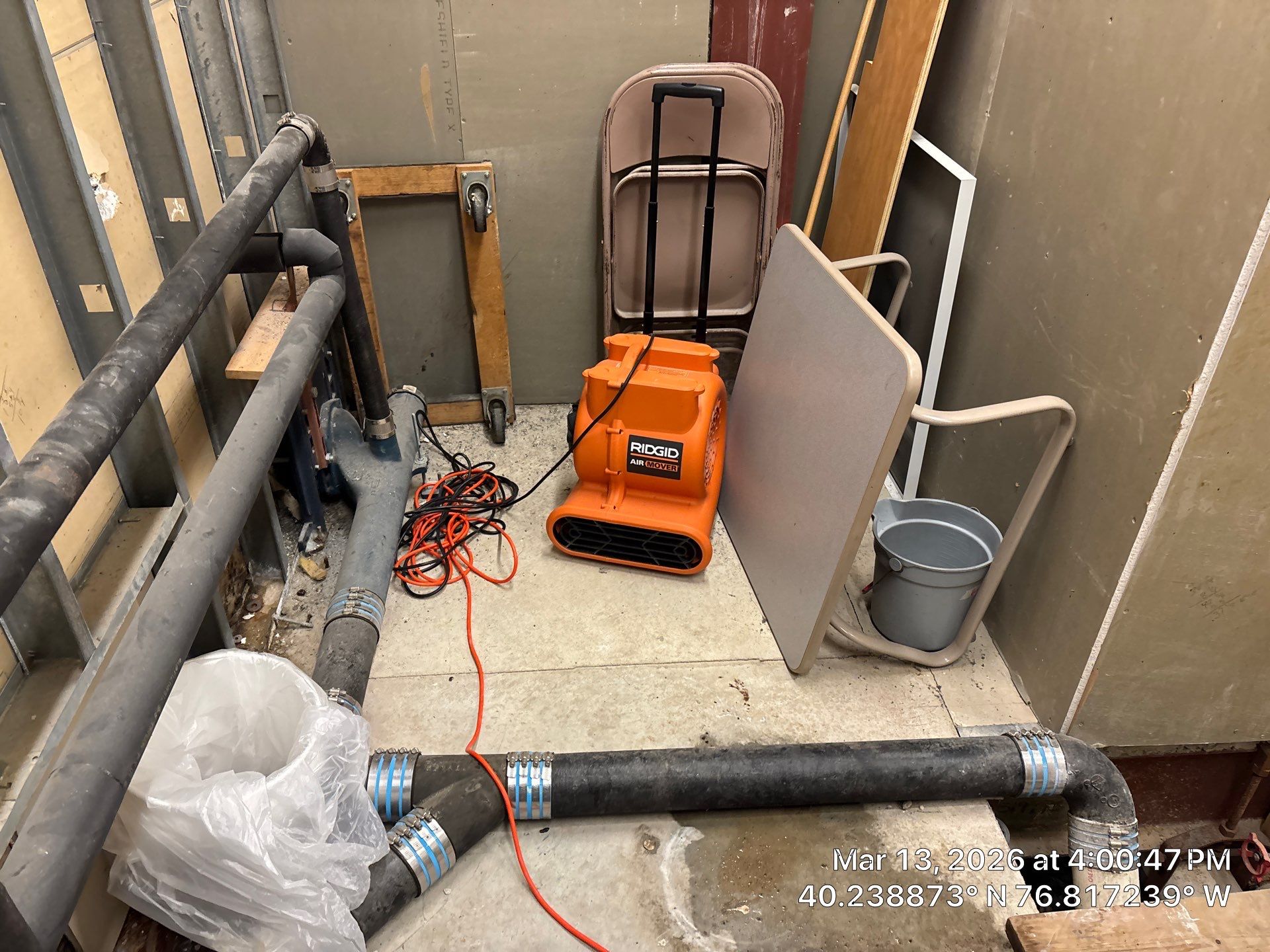
The elevator pit represented the most complex and hazardous zone of the entire project. Sewage water had accumulated on the concrete pit floor, with contamination coating the lower sections of insulated pipe runs, structural steel framework, metal grating, and the pit’s concrete walls. The space featured multiple large-diameter insulated pipes running vertically and horizontally through the pit, as well as smaller utility conduit, steel chain supports, and mechanical components — all requiring decontamination without disruption to building systems.
The extraction team deployed hose-based extraction equipment, threading lines carefully through the confined geometry of the pit. Plastic sheeting was used for temporary containment and to manage flow of contaminated water during the extraction process, preventing further spread to the lower pit floor sections.
Secondary Zone: Adjacent Custodial and Service Areas
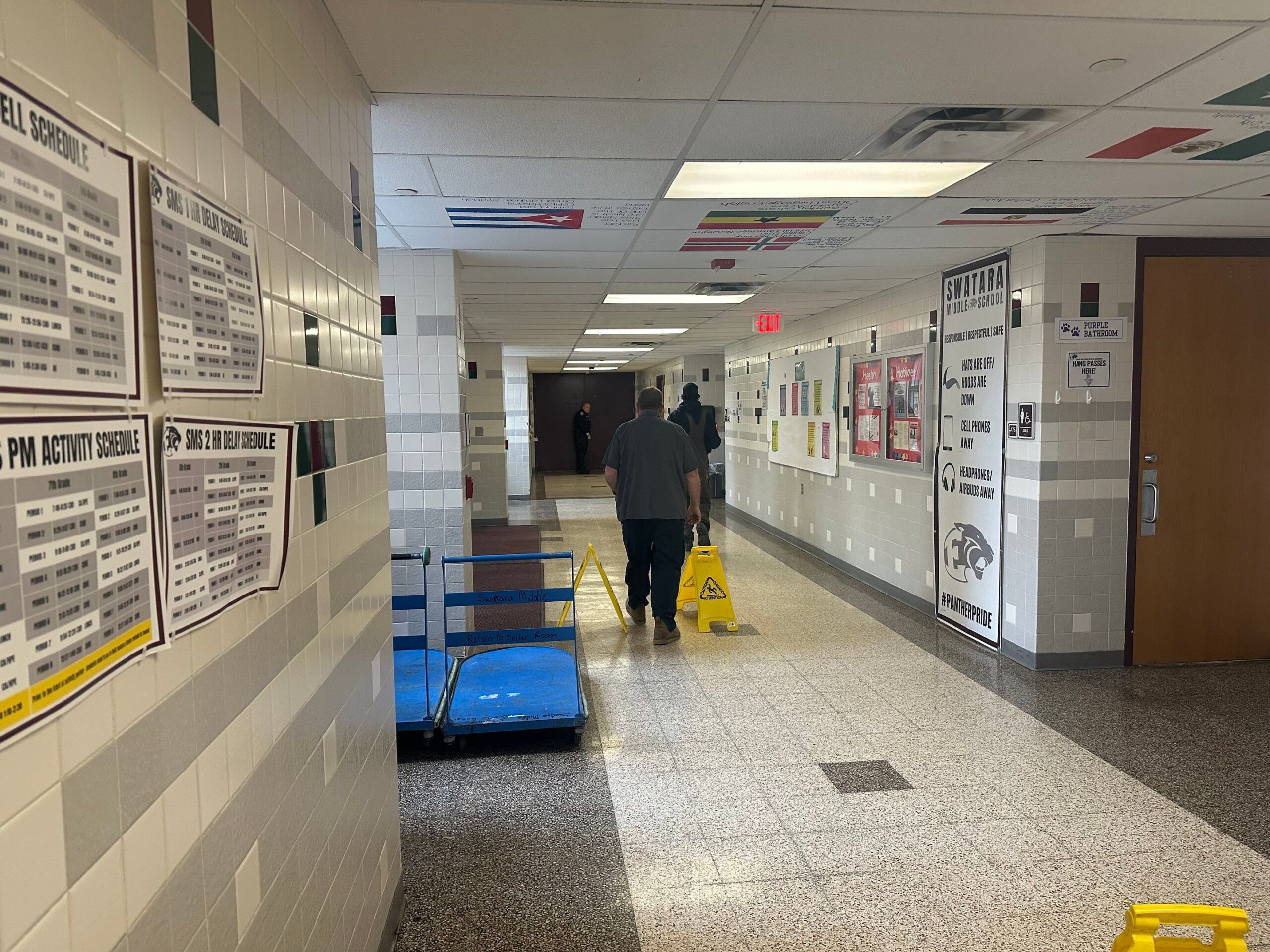
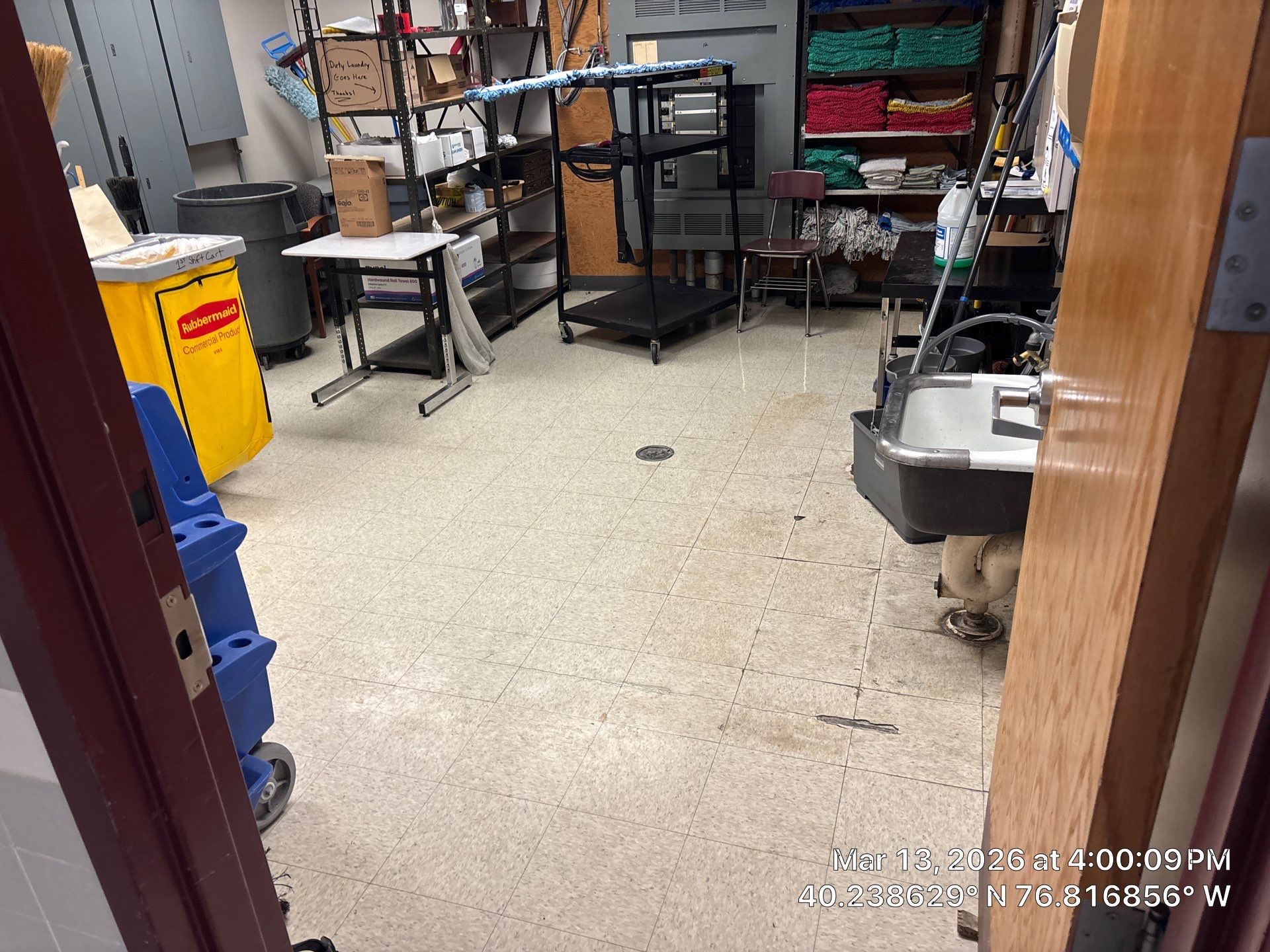
The custodial room and service area adjacent to the elevator showed evidence of moisture migration and required assessment and cleaning. Vinyl composition tile (VCT) flooring in these rooms was evaluated for contamination; wet floor safety cones were deployed throughout the adjacent hallway corridor as a precautionary measure while work was underway. The school’s custodial equipment — mop carts, cleaning supplies, and service materials — was present in these rooms and accounted for during the remediation process.
Corridor: Wet Floor Monitoring
The main school hallway adjacent to the elevator — decorated with international flags and student signage consistent with an active middle school environment — was monitored throughout the operation. Wet floor caution cones were stationed at the elevator lobby and along the corridor. No significant moisture migration was detected in the main hallway beyond the immediate elevator area, allowing normal school activity to continue in unaffected sections of the building.
Response Strategy
30-Minute Deployment from Harrisburg, PA 17111
Harrisburg Restoration received the call and dispatched a crew immediately, arriving on-site within 30 minutes. For a Category 3 sewage incident in a school setting, this response speed is critical — not only to limit the spread of contamination but to ensure the facility could be cleared and returned to service the same day. The Harrisburg, PA 17111 headquarters location positions the company within rapid reach of all Dauphin County school districts and commercial facilities.
Confined Space Protocol
Working in an elevator pit requires more than restoration expertise — it demands rigorous confined space awareness. The crew assessed the pit for hazards including oxygen levels, access/egress limitations, and the proximity of active mechanical systems before beginning extraction work. All personnel working in or around the pit used appropriate personal protective equipment for Category 3 water exposure. Equipment was staged outside the confined space and hoses were routed in to reach the contaminated floor without requiring technicians to be submerged in or overly exposed to the sewage area.
“Confined space remediation in active school buildings demands a dual focus: protecting the crew from occupational hazards while protecting the building’s occupants from contamination. Both priorities were met simultaneously.”
Same-Day Completion Strategy
The project scope — sewage extraction, surface cleaning, and antimicrobial application — was executed within a single day. This same-day completion capability is essential for school facilities, where a prolonged closure creates cascading disruptions for students, staff, and the broader community. By arriving quickly, staging equipment efficiently, and executing each phase of remediation in sequence, the crew was able to achieve full clearance before the school day’s end.
Sewage Remediation: 5-Phase Response Protocol
Equipment Deployment Analysis
Given the confined space nature of the project and the same-day completion requirement, equipment selection focused on maneuverability and effectiveness in tight quarters. The crew deployed a targeted combination of extraction, air movement, and decontamination equipment suited to the elevator pit environment and adjacent service areas.
🔵 Commercial LGR Dehumidifier
A blue commercial low-grain refrigerant (LGR) dehumidifier was staged in the adjacent service/custodial room to manage residual ambient moisture after extraction. While the primary issue was sewage removal rather than drying, the dehumidifier addressed moisture that had migrated into the surrounding structure and helped maintain safe indoor air conditions during the remediation process.
Commercial LGR Dehumidifier
Custodial / Service Room
Residual moisture control
Blue commercial unit
🟠 RIDGID Air Mover — Elevator Pit Zone
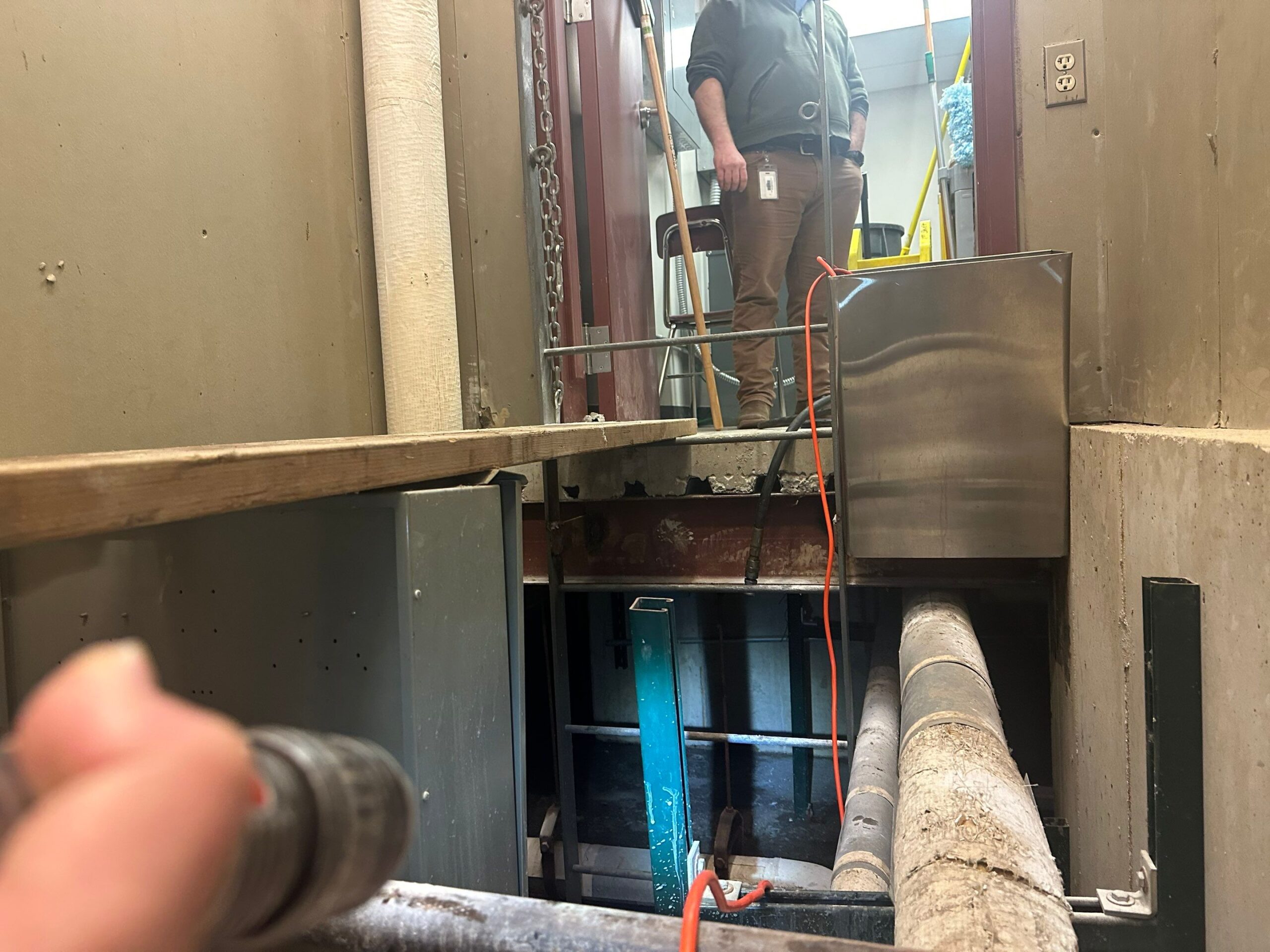
An orange RIDGID air mover was positioned in the elevator pit access area to facilitate air circulation and accelerate drying of the pit floor and lower wall surfaces following extraction. The compact footprint of this unit made it practical for deployment in the tight geometry of the elevator pit space, where larger axial air movers could not be effectively positioned.
RIDGID Air Mover
Elevator pit / mechanical area
Post-extraction air circulation
Orange
🔵 Secondary Air Mover — Service Room
A smaller blue centrifugal air mover was also deployed in the service room adjacent to the elevator lobby, providing supplemental airflow in the secondary affected zone. This unit worked in tandem with the dehumidifier to manage moisture levels in the enclosed service space and support the antimicrobial drying process after application.
Centrifugal Air Mover
Service / custodial room
Supplemental airflow & drying
Blue centrifugal unit
⚙️ Extraction Hose System
Multiple extraction hoses — including large-diameter corrugated extraction hoses and supporting conduit — were routed into the elevator pit to remove standing sewage water. The hose-based extraction approach is standard for confined space sewage removal, allowing the equipment’s pump unit to remain outside the hazard zone while the hose reaches into the contaminated area. Black plastic sheeting was also deployed for temporary containment during the extraction process.
Hose extraction system
Large-diameter corrugated
Elevator pit floor
Black poly sheeting
Project Data & Analytics
Response Time Comparison
Harrisburg Rest.
Regional Avg
Out-of-Area
Sewage Response: Fast vs. Delayed
Day
Day
Common Commercial Sewage Loss Causes in PA School Facilities
34%
28%
18%
13%
7%
Restoration Timeline and Methodology
The entire remediation was completed within a single operational day — a critical outcome for a functioning school. The timeline below reflects the phased approach used to move efficiently from initial dispatch through final antimicrobial clearance.
Technical Challenges: Confined Space Remediation
Working Around Extensive Pipe Infrastructure
One of the defining challenges of this project was the sheer density of pipe infrastructure within the elevator pit. Multiple large-diameter insulated pipes ran both vertically and horizontally through the space, accompanied by smaller utility conduit, electrical runs, steel support chains, and mechanical components. Every extraction hose, every piece of equipment, and every movement of the crew had to be carefully coordinated to avoid disrupting building systems that remained in operation during the remediation.
Technicians navigated wooden walkway planks positioned above the pipe network to access different sections of the pit. The use of flexible extraction hoses rather than rigid equipment was essential — it allowed the team to snake around obstructions and reach contaminated surfaces that would have been inaccessible with standard extraction tools.
Category 3 Protocols in an Occupied Facility
Performing Category 3 water remediation in an occupied school building requires strict adherence to containment protocols. Wet floor signage, access restriction, and careful material handling were all employed to ensure that school staff and any students present were not exposed to the hazard area or its contaminants during the remediation process.
Confined Space Sewage Remediation: Key Considerations
Access Control: Elevator pits require controlled entry — only trained personnel with appropriate PPE enter the hazard zone.
Equipment Selection: Compact, maneuverable equipment is essential. Larger units that work well in open spaces cannot function effectively in confined mechanical areas.
Pipe Protection: Insulated and active pipe infrastructure must be protected during extraction and cleaning to avoid incidental damage to building systems.
Cross-Contamination Prevention: Containment barriers and controlled material movement are critical when working in an occupied commercial building.
Dauphin County and the Greater Harrisburg Area: Understanding Commercial Sewage Risks
Dauphin County is home to a large number of mid-20th century school buildings, municipal facilities, and commercial properties — many of which feature aging mechanical infrastructure that presents elevated risk for pipe failures, drain backups, and sewage-related incidents. The Harrisburg metro area’s mix of older institutional construction and active school districts means that commercial sewage emergencies are a consistent occurrence throughout the 17111 and surrounding ZIP codes.
Regional Factors Affecting Sewage Risk in PA Schools
Pennsylvania school buildings constructed in the 1950s through 1980s commonly feature mechanical rooms, elevator pits, and utility spaces with aging pipe systems that have surpassed their designed service life. Deferred maintenance — common in public school facilities operating under budget constraints — compounds this risk. When failures occur, they often happen in the most difficult-to-access areas of the building, such as the elevator pit documented in this case study.
Why Dauphin County Facilities Choose Advanced DRI
Commercial facility managers and school district administrators throughout Dauphin County rely on Advanced DRI and its regional network because of the combination of rapid response times, specialized commercial expertise, and the ability to complete complex projects — including confined space sewage remediation — without prolonged facility disruption. Harrisburg Restoration’s positioning in the 17111 ZIP code provides a strategic response advantage across all of Dauphin County and into neighboring Cumberland, Perry, and Lebanon counties. For emergency sewage cleanup near me in the Harrisburg area, no provider offers a faster or more capable response.
Project Documentation Gallery
The following images document key phases of the Dauphin County school sewage remediation project, from initial assessment of the elevator pit through equipment deployment and the affected service areas.
Images captured on March 13, 2026 confirm the extent of the sewage intrusion within the elevator pit’s confined space, the complexity of the pipe infrastructure that crews navigated, the extraction equipment deployed, and the condition of adjacent custodial and service areas. GPS coordinates embedded in several images (40.238873°N 76.817239°W) confirm the Harrisburg, PA 17111 project location.
Key Takeaways
This Dauphin County school sewage remediation demonstrates that fast, specialized response is the decisive factor in commercial sewage incidents. Harrisburg Restoration arrived in under 30 minutes, navigated one of the most technically challenging environments in commercial restoration — a confined elevator pit packed with active pipe infrastructure — and completed all phases of sewage removal, surface cleaning, and antimicrobial application within a single day.
The outcome: a school facility returned to safe operation without extended closure, no secondary contamination spread, and full documentation for the district’s compliance records. For commercial facilities managers in Dauphin County and throughout the Harrisburg, PA 17111 service area, this project illustrates why response speed and confined-space expertise are the two qualities that matter most when a sewage emergency strikes.
For 24/7 emergency sewage cleanup and water damage restoration in Harrisburg and Dauphin County, contact Harrisburg Restoration at (717) 232-5444. Our team is ready to respond — fast.