Project at a Glance
Minutes to Arrival
Floors Affected
Air Scrubbers Deployed
Drying Units Deployed
When fire strikes a home in Boiling Springs, rapid response can mean the difference between recovery and catastrophic loss. This comprehensive case study documents a complex restoration project where damage extended far beyond visible flames—uncovering hidden structural issues, requiring emergency code upgrades, and demanding specialized mitigation techniques to restore both the home’s integrity and the homeowner’s safety. Harrisburg Restoration is part of the Advanced DRI network, bringing national expertise to local emergencies.
Finding reliable professionals near you in Boiling Springs is critical in emergency situations. The customer’s decision to remain onsite throughout the restoration process created additional complexity: air quality had to be carefully managed, containment barriers had to be meticulously maintained, and work schedules had to accommodate their health concerns and time constraints. This Boiling Springs project demonstrates how professional restoration combines aggressive mitigation with precision craftsmanship, ultimately transforming a multi-layered crisis into a successful rebuild with advanced structural techniques.
Fire Damage Repair: Strategic Response and Professional Expertise
The Critical Window for Emergency Response
Rapid fire damage repair is essential. Soot and smoke particulates continue to settle on surfaces, heat and humidity create conditions for secondary damage and mold growth, and structural integrity questions mount as time passes. In this Boiling Springs project, our team’s 18-minute response from our central location allowed us to establish containment, begin air quality management, and assess hidden damage before it progressed further. This is why emergency damage restoration within the first 24 hours is critical.
For property owners in the area seeking professional fire damage repair services, response time represents the difference between controlled recovery and compounding damage. Every minute of delay means additional smoke migration, moisture absorption, and risk of structural failure. Our fire and smoke damage restoration services must arrive within the critical window—typically before 24 hours—to prevent mold colonization and secondary deterioration.
Local Professional Response: Central Location Advantage
Boiling Springs sits approximately 9 miles north of our Harrisburg headquarters at 330 East Park Drive. This proximity means fire damage repair emergencies in Boiling Springs receive response within 15-20 minutes—allowing us to provide rapid professional restoration faster than larger national chains. We proudly serve Dauphin County and surrounding areas, ensuring fast professional response. With professional fire damage repair response, we establish containment and begin mitigation while damage is still contained rather than spreading throughout the property. Fast response from a centrally located team makes a measurable difference in recovery outcomes.
Fire Damage Repair: Understanding the Incident
The Source: Fire Damage in Multi-Level Structure
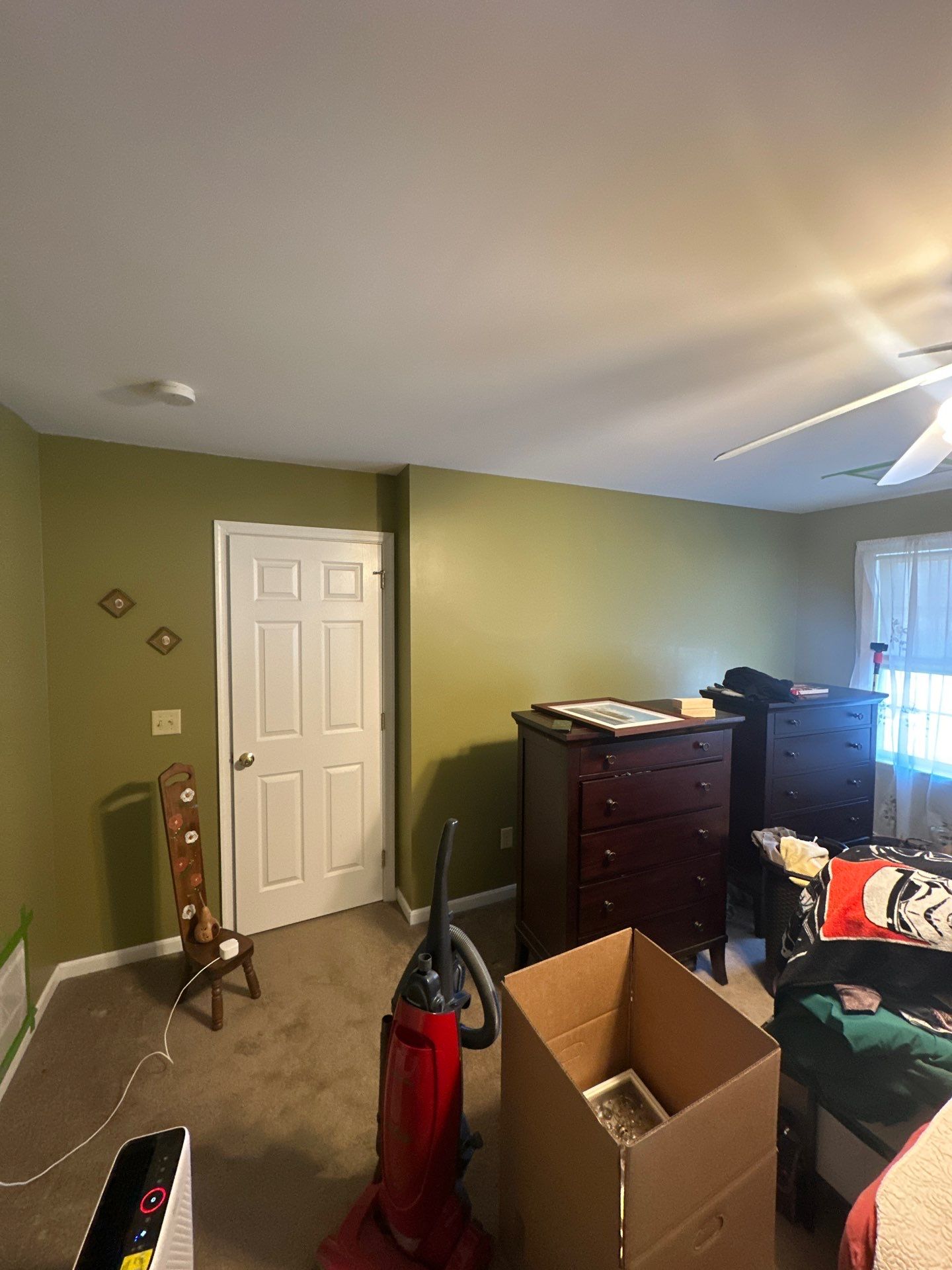
This residential fire damage repair project affected multiple levels of the home, with damage concentrated in upper-floor areas and the attic. The visible impact was significant—charred structural elements, compromised insulation, and heat damage throughout the affected zones. Professional assessment requires identifying not just visible damage, but hidden problems in structural components (roof trusses) and concealed areas that only become apparent as fire damage repair work progresses.
Fire damage in residential settings typically follows predictable patterns—heat rises, smoke travels through ventilation systems, and water from suppression creates secondary issues. This fire damage repair project followed that pattern but added layers of complication that required adaptive problem-solving and specialized expertise beyond standard restoration services. Fire damage repair in multi-level homes requires systematic assessment of each floor’s unique damage profile.
Fire Damage Repair Assessment: Property Scope and Evaluation
Multi-Level Fire Damage Repair Assessment
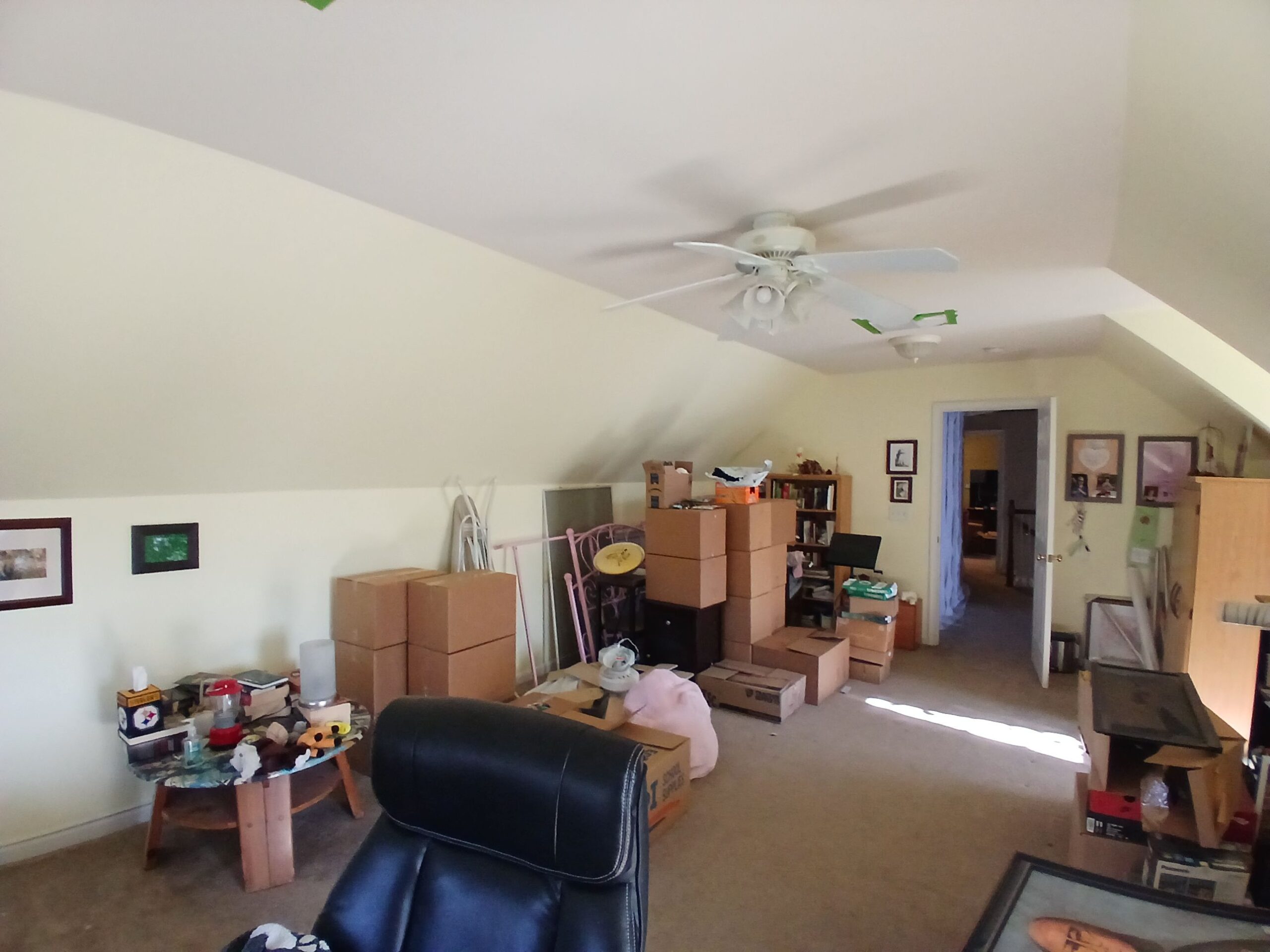
The initial fire damage repair assessment revealed damage across two primary levels, with the attic serving as the damage epicenter. Heat had compromised structural elements including roof trusses—a critical concern requiring specialized fire damage repair techniques. Insulation throughout the attic space showed complete charring requiring complete removal. The upper floor showed heat damage and smoke contamination, while lower floors showed smoke migration and soot deposition typical of these emergencies requiring professional fire damage repair services.
Water from suppression efforts added significant complexity: wet drywall, saturated insulation, and moisture in structural cavities all required immediate attention to prevent mold colonization and structural deterioration during fire damage repair. Our team’s expertise in both water damage restoration and fire mitigation allowed coordinated treatment of both fire and water damage in proper sequence.
Main Floor: Fire Damage Repair Source Area
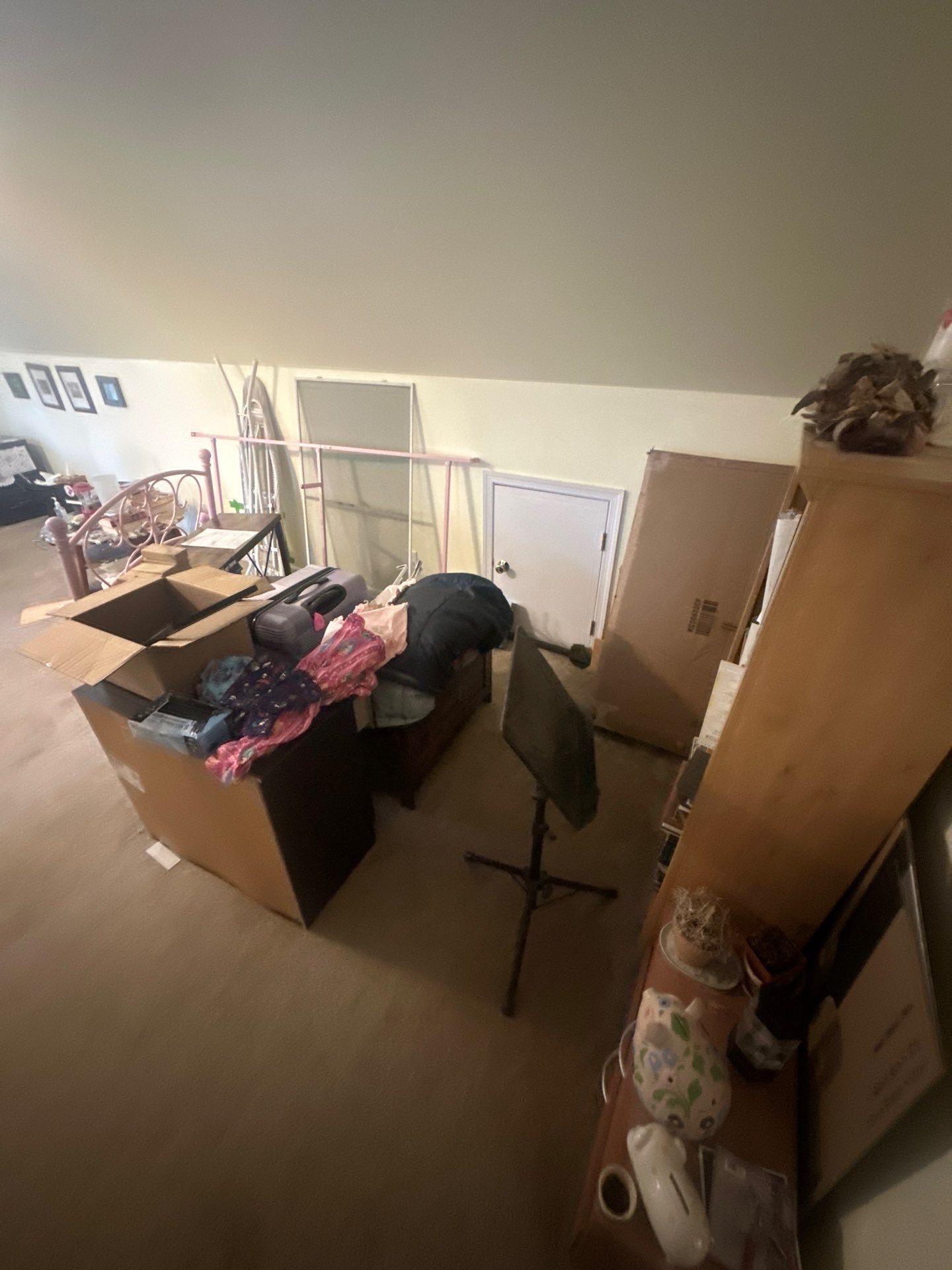
Main-floor areas showed characteristic smoke damage and soot deposition from the fire. Furnishings, electronics, and personal belongings bore evidence of smoke exposure requiring professional content restoration and detailed assessment to determine what could be salvaged.
Upper Floor and Attic: Primary Fire Damage Repair Zone
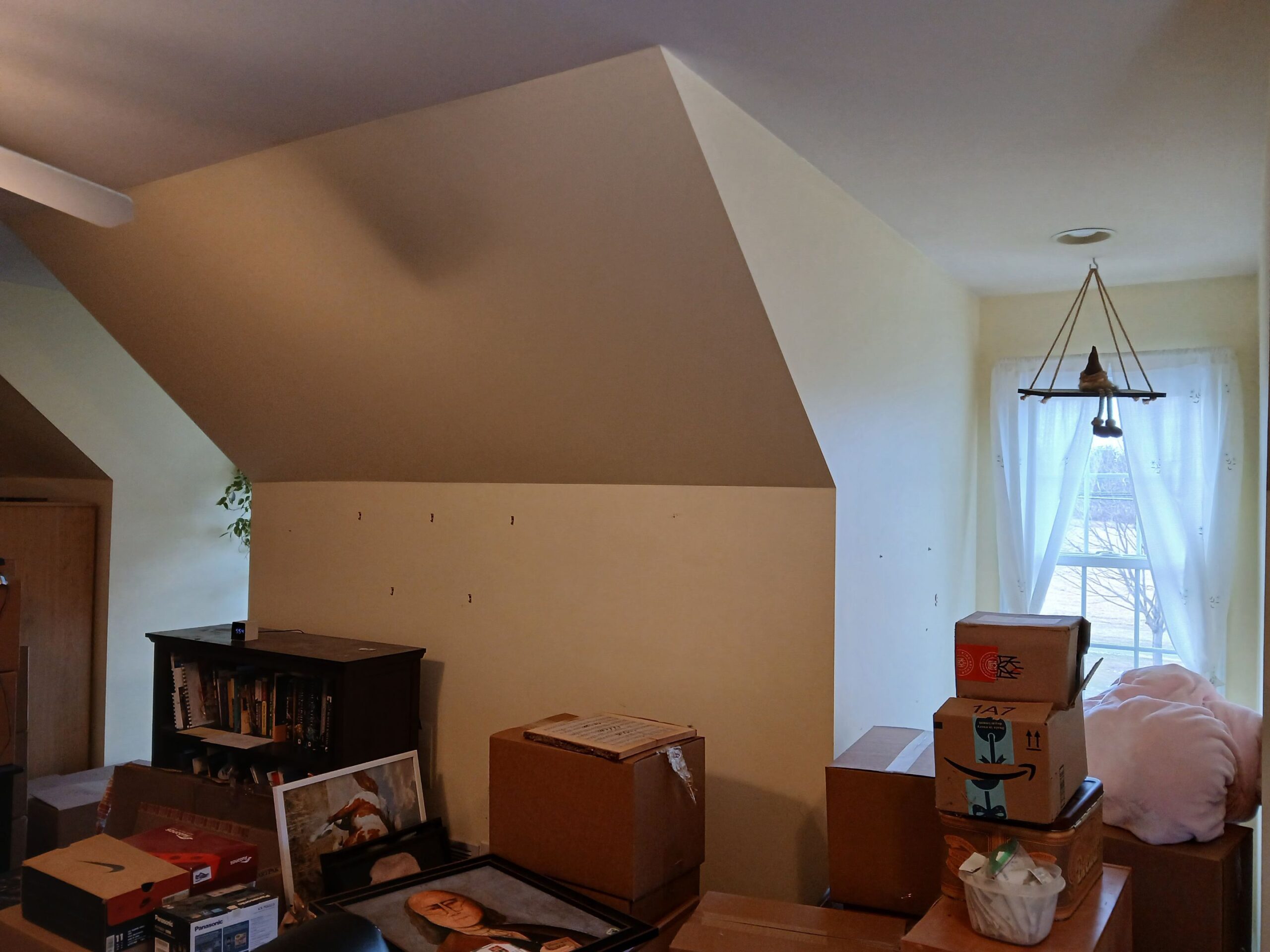
The upper floor and attic represented the primary damage zone requiring immediate attention. Structural elements showed heat impact, insulation required complete removal and replacement, and building systems required assessment for code compliance. The attic’s insulation—all of it affected by heat—would need complete replacement during winter months, a task complicated by cold weather conditions and the need to maintain indoor temperatures to prevent pipe freezing.
Customer Circumstances and Fire Damage Repair Constraints
This fire damage repair project presented multiple constraints that shaped our restoration strategy:
Fire Damage Repair Project Parameters
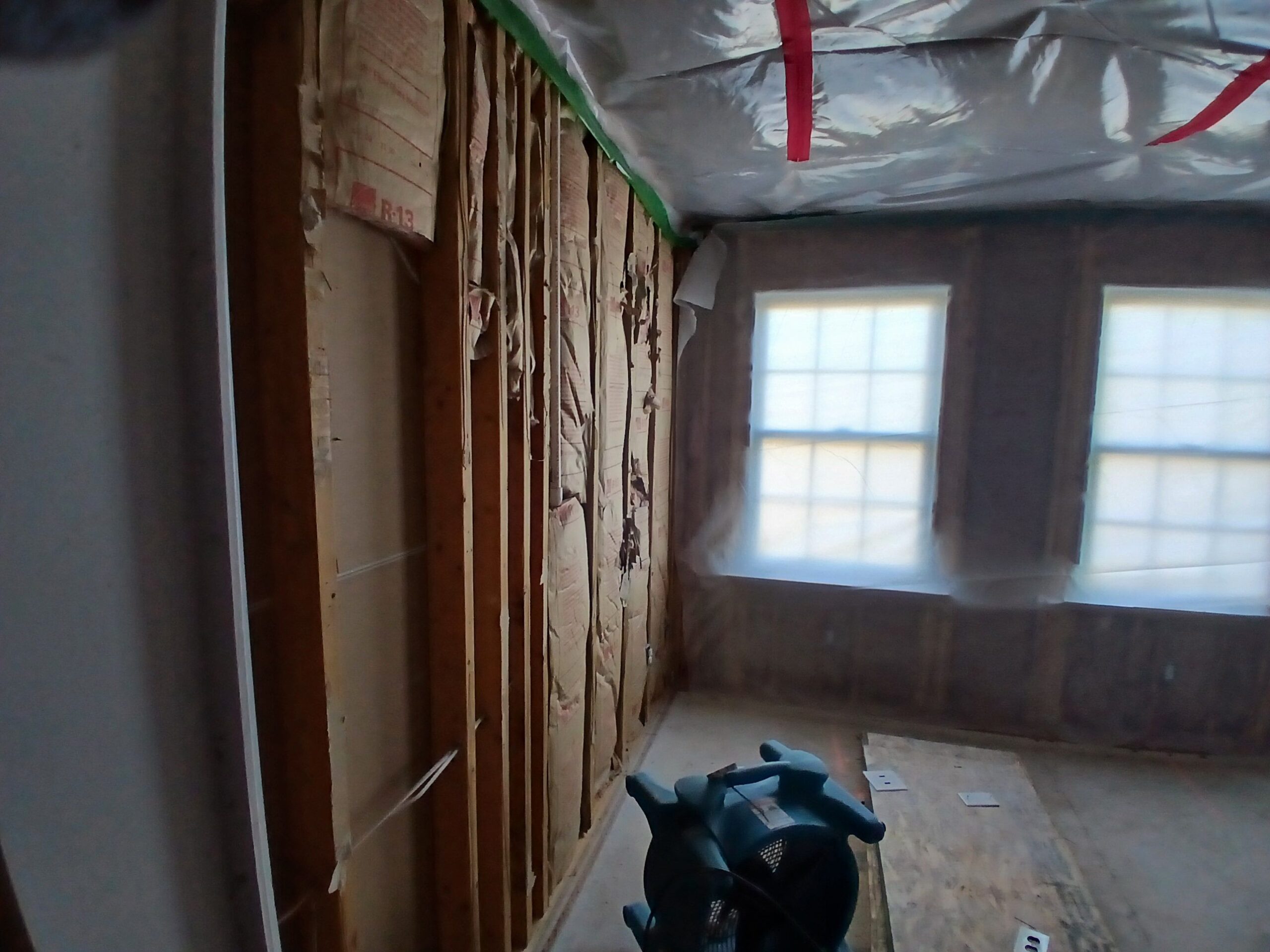
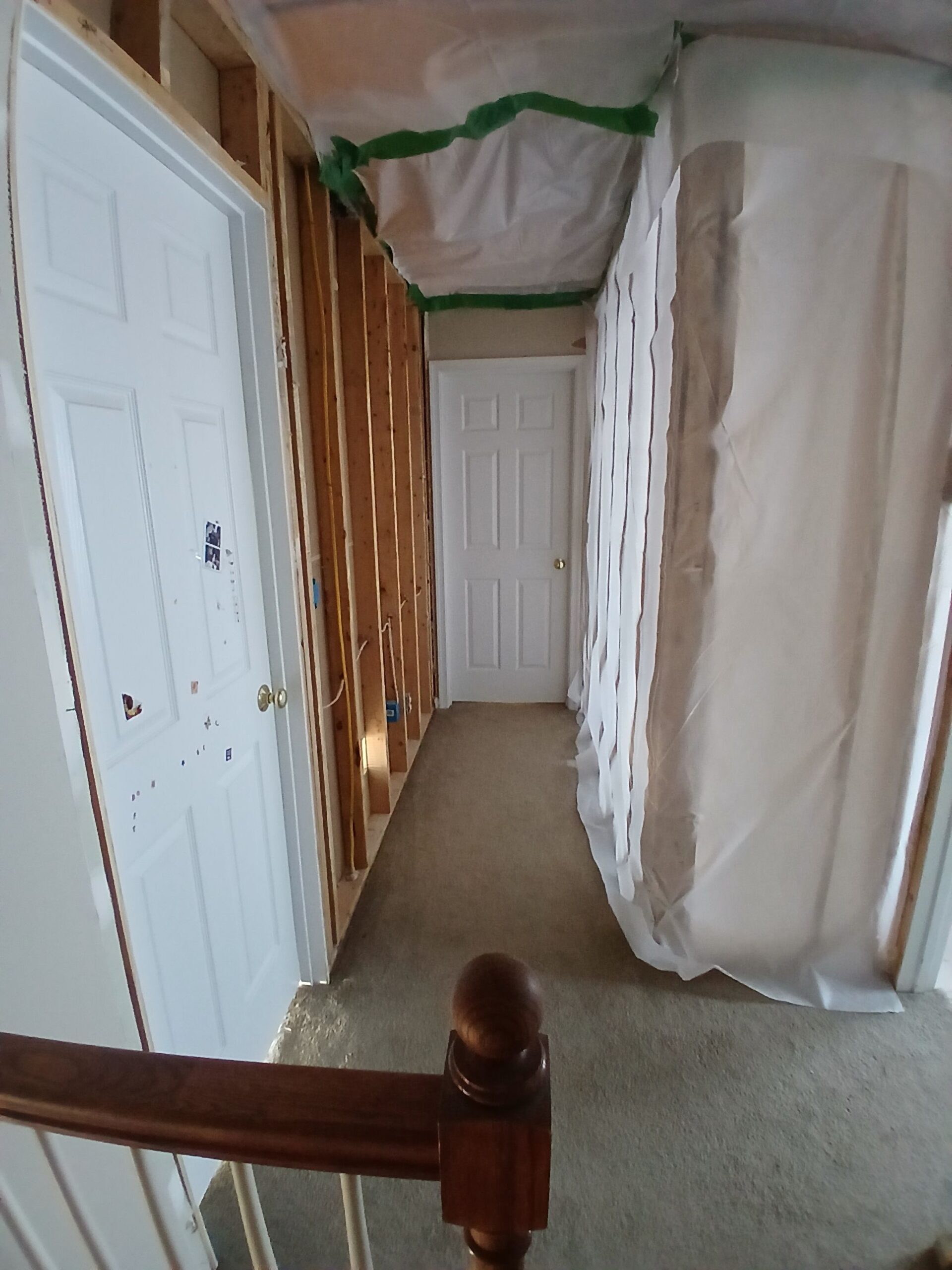
Onsite Residence During Fire Damage Repair: The customer chose to remain in the home during fire damage restoration despite damage, creating the need for meticulous air quality management and containment barriers to prevent cross-contamination during active fire damage repair work.
Health Considerations in Fire Damage Repair: The customer’s health concerns required aggressive air scrubbing and particulate removal to maintain safe indoor air quality throughout the fire damage repair mitigation process.
Scheduling Constraints for Fire Damage Repair: Limited availability meant crews could only work during specific windows, requiring careful fire damage repair project sequencing and coordination.
Winter Timeline in Fire Damage Repair: Attic insulation replacement had to occur during cold months while maintaining adequate indoor temperatures to prevent pipe freezing—a significant technical challenge unique to winter fire damage repair projects.
Air Quality Management: Critical for Fire Damage Repair
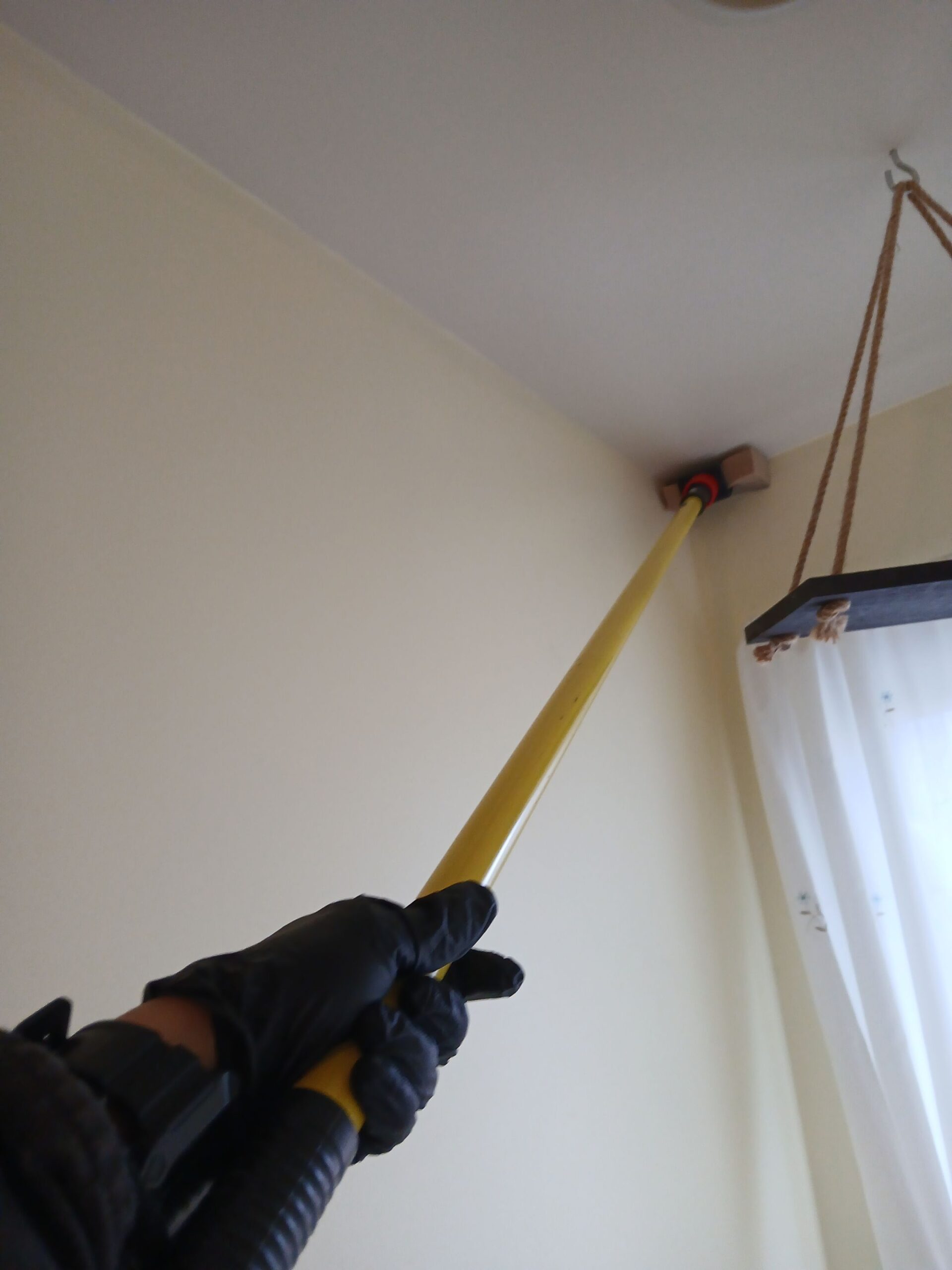
Because the customer remained onsite, air quality management became a primary fire damage repair focus. Five commercial air scrubbers were deployed strategically throughout the home to capture airborne particulates and smoke odors. These units worked continuously to reduce soot particles, chemical compounds, and smoke byproducts suspended in the air. This aggressive scrubbing approach transformed the home’s interior environment from potentially hazardous to safe for occupancy during intensive fire damage repair work.
Response Strategy and Mitigation Approach
Professional fire damage repair requires strategic planning and rapid execution. Our team’s response strategy for this project balanced aggressive mitigation with customer safety and comfort.
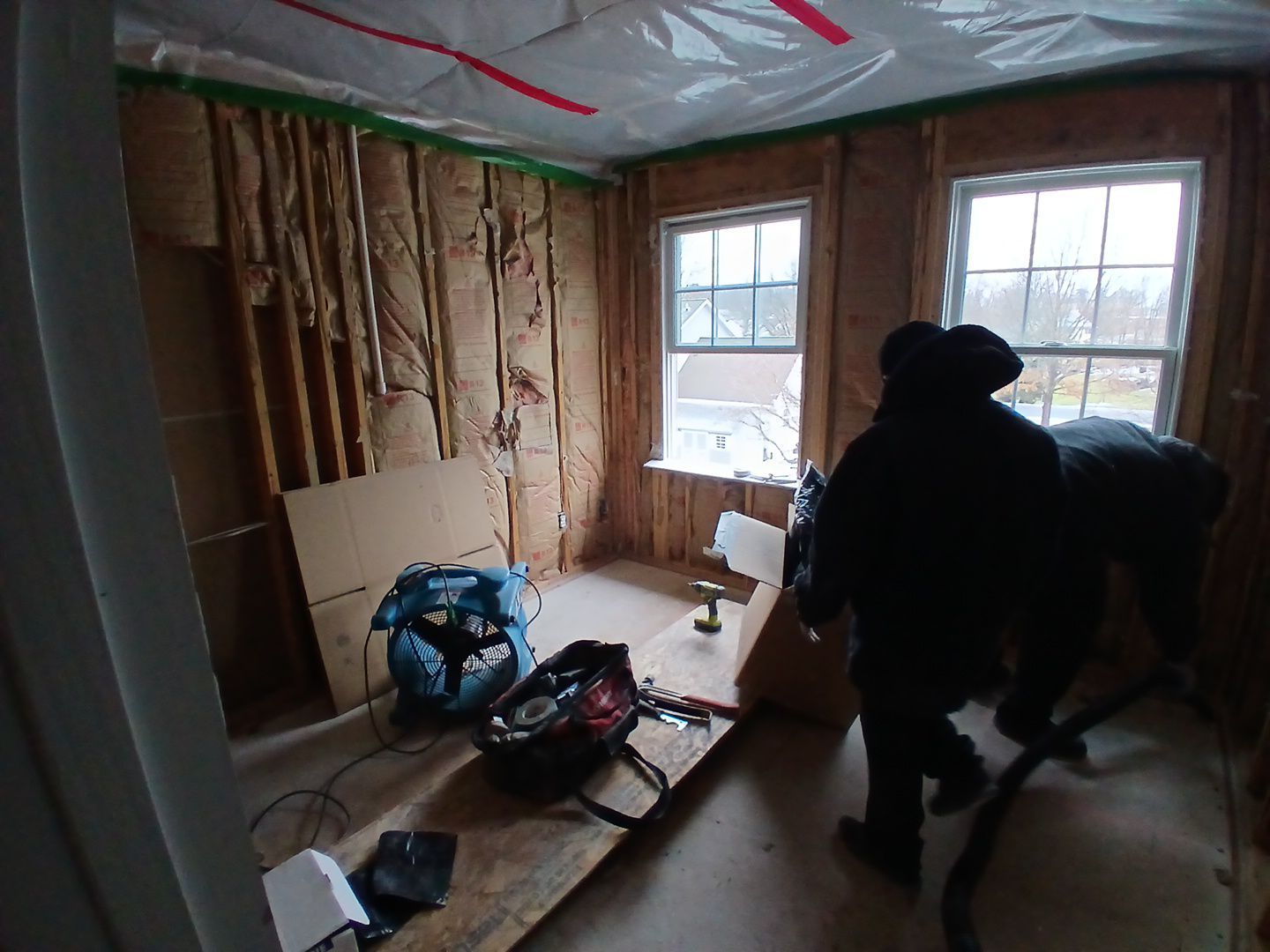
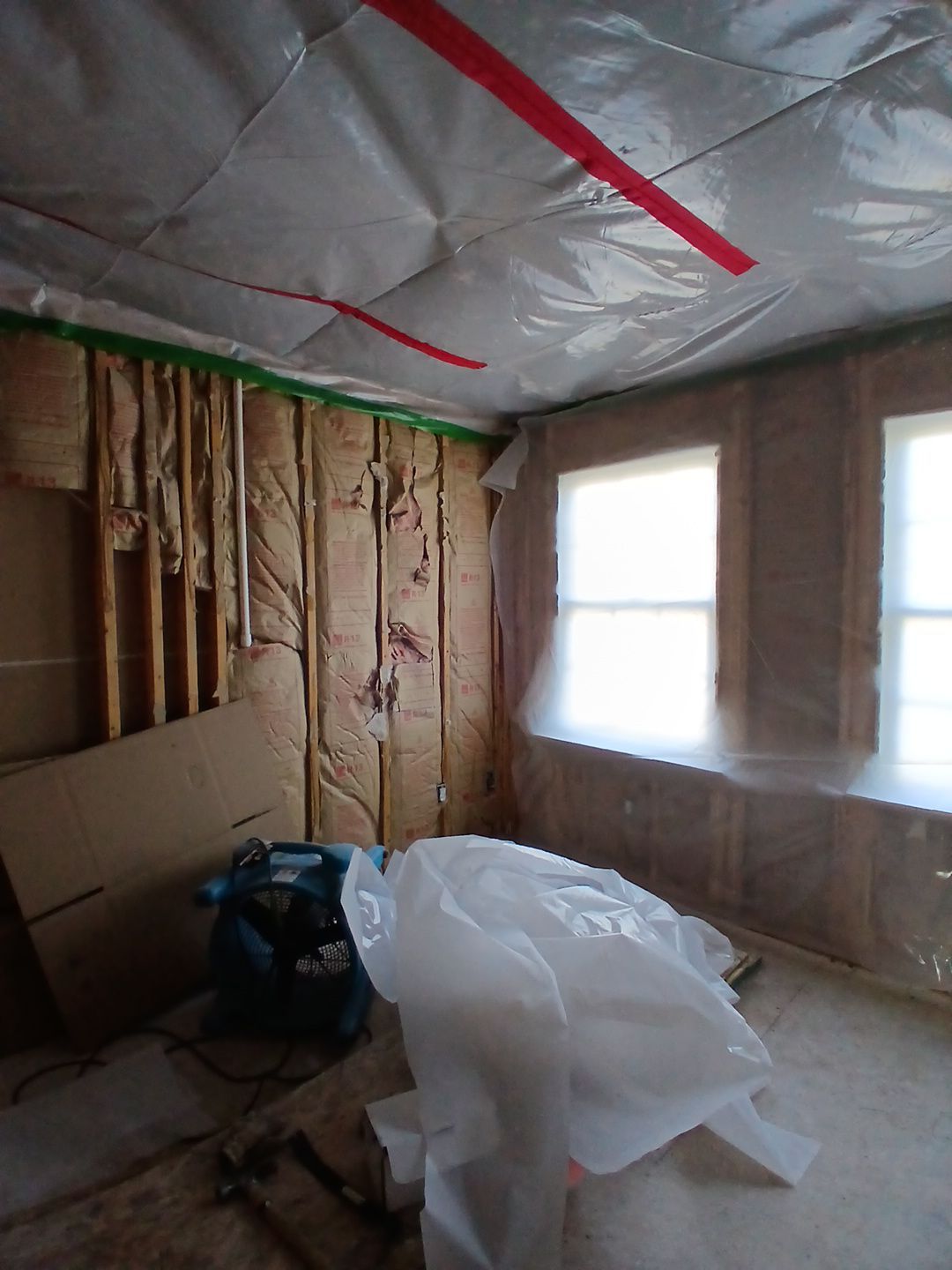
Our team’s first priority involved establishing containment barriers to prevent smoke, soot, and mitigation byproducts from affecting unaffected areas of the home. Plastic sheeting, duct tape, and containment systems sealed off damaged zones from clean zones, creating a protected environment where the customer could safely remain onsite. This containment approach served multiple purposes: it protected unaffected areas from secondary smoke damage, isolated particulates being removed by air scrubbers, and allowed the customer to maintain privacy and safety during intensive work.
Hidden Damage Discovery in Fire Damage Repair
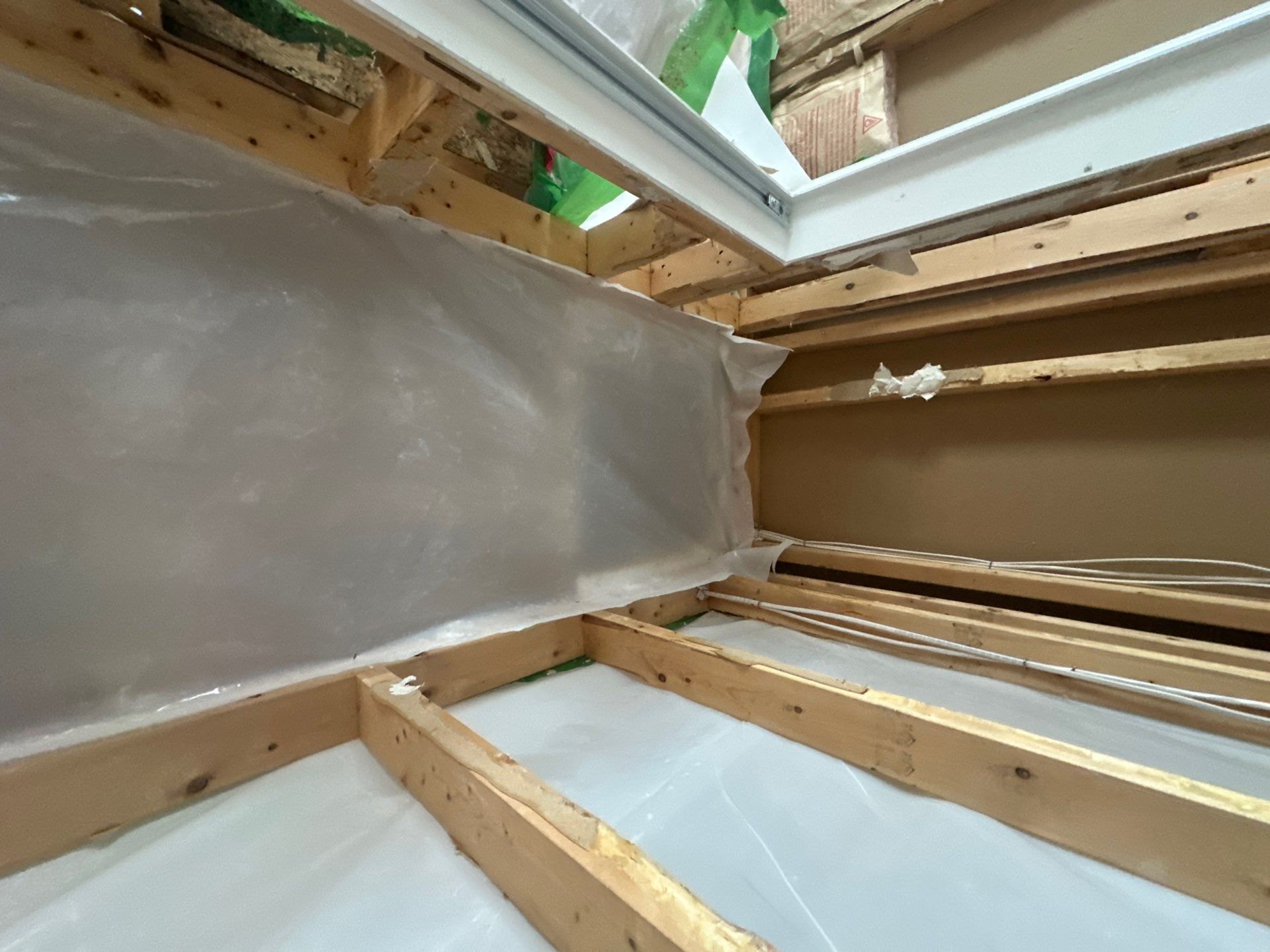
As fire damage repair mitigation progressed, additional damage became apparent—damage not visible in the initial inspection but exposed once layers of insulation and compromised materials were removed. This hidden damage discovery is common and required supplemental work orders and additional time—a reality in professional fire damage repair where full assessment only becomes possible as removal work progresses.
Structural elements including roof trusses showed fire damage requiring specialized repair. Rather than opting for a full roof removal—a decision that would have extended timeline and increased costs significantly in any fire damage repair scenario—we determined that sistering new wood alongside existing damaged trusses would restore structural integrity while minimizing disruption to the home’s roof structure.
Fire Damage Repair: Equipment Deployment and Systems
Successful restoration requires specialized equipment working in coordinated sequences. This fire damage repair project deployed multiple categories of professional-grade equipment, each serving specific functions in the mitigation process. Learn more about our complete restoration services and capabilities.
Air Scrubbing Systems: Fire Damage Repair Equipment
Commercial Air Scrubbers (5 units deployed)
Air scrubbers represent the frontline defense in smoke and particulate management. These HEPA-filtered units capture airborne soot, smoke compounds, and odor-causing particles. Five scrubbers working simultaneously allowed aggressive air quality management throughout the home during fire damage repair, particularly critical because the customer remained onsite. These units operated continuously throughout the mitigation phase, progressively improving indoor air quality and making the home safe for occupancy.
Particulate & Odor Removal
Continuous Throughout Project
HEPA
Multi-level Home
Commercial Air Movers (8+ units deployed)
Air movers facilitate the drying process and enhance air circulation, preventing stagnant conditions that accelerate mold growth during mitigation. Positioned strategically across affected zones, these high-velocity units directed airflow across damp materials, structural cavities, and wall systems. In conjunction with dehumidifiers, air movers created the controlled environment necessary for complete moisture removal from affected materials.
Air Circulation & Drying
Strategic Coverage Across Levels
Axial & Centrifugal
Mitigation & Drying Phase
Commercial Dehumidifiers
Dehumidifiers removed moisture from the air and structural materials, critical in preventing secondary damage. Suppression water, combined with ambient humidity, created ideal conditions for mold growth. Dehumidification equipment maintained relative humidity levels below 50%, preventing microbial colonization while supporting the drying of structural materials.
Moisture Control
Below 50%
Refrigerant or LGR
Multi-zone Deployment
Service Coverage Radius
Response Times from Harrisburg HQ
Fire Damage Repair Timeline: Restoration Methodology
Professional Fire Damage Repair Process
Successful fire damage repair follows a carefully sequenced process where each phase builds on the previous one. This project’s timeline was extended by winter conditions and the need to maintain safe indoor temperatures while replacing attic insulation.
Fire Damage Repair Solution: Sistering Roof Trusses
Fire Damage Repair Approach to Structural Damage
When fire damage compromises roof trusses, fire damage repair contractors face a critical decision: remove the entire roof or repair damaged elements in place. Complete removal would have meant temporary roof exposure during winter months, the complex logistics of structural replacement, extended timeline, and significantly higher costs.
The customer expressed a preference to avoid complete roof removal. Our assessment team determined that sistering—bonding new dimensional lumber alongside damaged trusses—would restore full structural integrity while preserving the existing roof structure.
Sistering Process and Fire Damage Repair Compliance
Sistering involves installing new lumber members alongside damaged structural elements, connecting them with fasteners and adhesive. This technique distributes loads across both the original and new members, restoring load-carrying capacity. New wood was selected to match existing dimensions and grade, then fastened according to current building codes using structural fasteners spaced at code-required intervals. This approach allowed the home to maintain roof integrity without full structural replacement, kept the timeline manageable during winter months, and met all code upgrade requirements while avoiding the disruption of roof removal and replacement.
Fire Damage Repair and Code Upgrades
Building Code Evolution and Restoration Requirements
When homes undergo substantial mitigation during fire damage repair, current building codes often require upgrades beyond simple restoration to pre-loss condition. This fire damage repair project triggered code upgrade requirements that addressed changes in building standards since the home’s original construction. Structural upgrades to roof trusses fell within these fire damage repair code requirements.
Fastening specifications, truss spacing, and load-bearing calculations all reflected current code standards. Rather than simply restoring the damaged elements to their pre-loss condition, the restoration brought those elements into compliance with modern building standards, improving the home’s structural safety and longevity. While these code upgrades added time and cost during the mitigation phase, they ultimately provide long-term benefits by ensuring the restored home meets contemporary safety and structural standards.
Fire Damage Repair in Winter: Insulation Installation
The Complexity of Cold-Weather Insulation Installation
Installing attic insulation during winter months creates unique technical challenges for fire damage repair crews. Indoor temperatures must remain above freezing to prevent burst pipes and maintain safe living conditions for the customer remaining onsite. Attic temperatures fluctuate more dramatically than main living spaces, requiring careful management of both heating and insulation installation sequencing during fire damage repair. Traditional installation in warm months allows materials to set properly and moisture barriers to function optimally, while winter fire damage repair installation requires additional attention to vapor barrier placement, condensation prevention, and thermal bridging that could occur during temperature fluctuations.
Strategic Scheduling for Fire Damage Repair Within Customer Constraints
The customer’s scheduling limitations added another layer of complexity to this fire damage repair project. Crews could only work during specific windows, requiring careful coordination of fire damage repair operations. The team scheduled insulation installation during these available windows while monitoring weather conditions and maintaining the temperature balance necessary for safe occupancy and proper material installation in the context of fire damage repair.
Why Fast Response Matters in Fire Damage
Fire Damage Progression Timeline
Advanced DRI’s 5-Step Restoration Process
Project Data & Analytics
Equipment Deployment Breakdown
Total Units
Air Movers (8+ units)
Air Scrubbers (5 units)
Dehumidifiers (3+ units)
Monitoring Equipment
Response Time Advantage
Damage Assessment by Area
95%
45%
30%
Response Impact: Fast vs Delayed
Fire Damage Repair Services: Boiling Springs and Regional Context
Professional Fire Damage Repair: Local Response Advantage
Boiling Springs lies just 9 miles north of our Harrisburg headquarters at 330 East Park Drive. This proximity means fire damage repair emergencies in Boiling Springs receive response within 15-20 minutes. We’re proud to serve communities throughout the region, providing local expertise combined with rapid response for superior restoration outcomes.
Restoration in the Harrisburg region requires understanding of local building practices, regional climate patterns, and the specific challenges posed by Pennsylvania’s weather—humid summers that accelerate mold growth, cold winters that complicate insulation work, and seasonal variations that affect restoration timelines and material performance. Learn more about our team and experience.
Regional Factors in Fire Damage Repair and Recovery
Winter Construction Challenges: As this fire damage repair project demonstrates, winter restoration creates unique obstacles. Cold temperatures complicate insulation installation, heating system operation must be carefully managed to prevent frozen pipes, and moisture management becomes more complex due to temperature differentials between interior and exterior spaces.
Hidden Damage in Older Homes: Many homes in the Boiling Springs area were built with construction practices that differ from modern standards. Cavity spaces, insulation types, and structural detailing can conceal fire damage that only becomes apparent as mitigation progresses. Experience with regional building practices allows rapid assessment and appropriate repair strategies.
Health and Air Quality in Communities: When homeowners remain onsite during restoration—whether due to health considerations, lack of alternative housing, or personal preference—air quality management becomes a critical restoration component. Advanced air scrubbing systems, continuous monitoring, and professional filtration technology represent the industry standard for safe onsite occupancy during mitigation.
Key Takeaways: Professional Fire Damage Repair Requires Expertise and Precision
This Boiling Springs fire damage repair project illustrates several critical principles that define successful emergency mitigation. First, rapid response—achieved in this case within 18 minutes—allows containment of damage before it migrates through the home. Early containment in professional fire damage repair protects unaffected areas and creates the conditions for safe occupancy and effective restoration.
Second, hidden damage assessment cannot conclude with initial inspection. Only as removal and mitigation work progresses do the full extent of structural damage become apparent. Building in flexibility for supplemental work and maintaining client communication throughout the discovery process ensures that all damage receives appropriate treatment.
Third, customer circumstances shape restoration strategy. A homeowner’s decision to remain onsite, health considerations, winter timeline constraints, and scheduling limitations all require thoughtful integration into the mitigation plan. Solutions like sistering roof trusses instead of full removal, managing winter insulation installation, and aggressive air quality maintenance reflect adaptive problem-solving rather than template-based approaches.
Finally, structural and code compliance upgrades provide long-term value. While they extend timeline and cost during the restoration phase, they ensure the restored home meets contemporary building standards and provides superior safety and durability going forward.
For Boiling Springs and Harrisburg-area residents facing fire damage repair emergencies, contact Harrisburg Restoration at (717) 232-5444. Our professional fire damage repair team combines rapid response, comprehensive damage assessment, and specialized expertise to transform disaster recovery into restoration success. View more of our restoration case studies to see our expertise in action.