Project at a Glance
Day Remediation Cycle
Sq Ft Attic Treated
Initial Moisture Content
Final Dry Standard
Executive Summary: Targeted Mold Remediation in Postal Code 17103
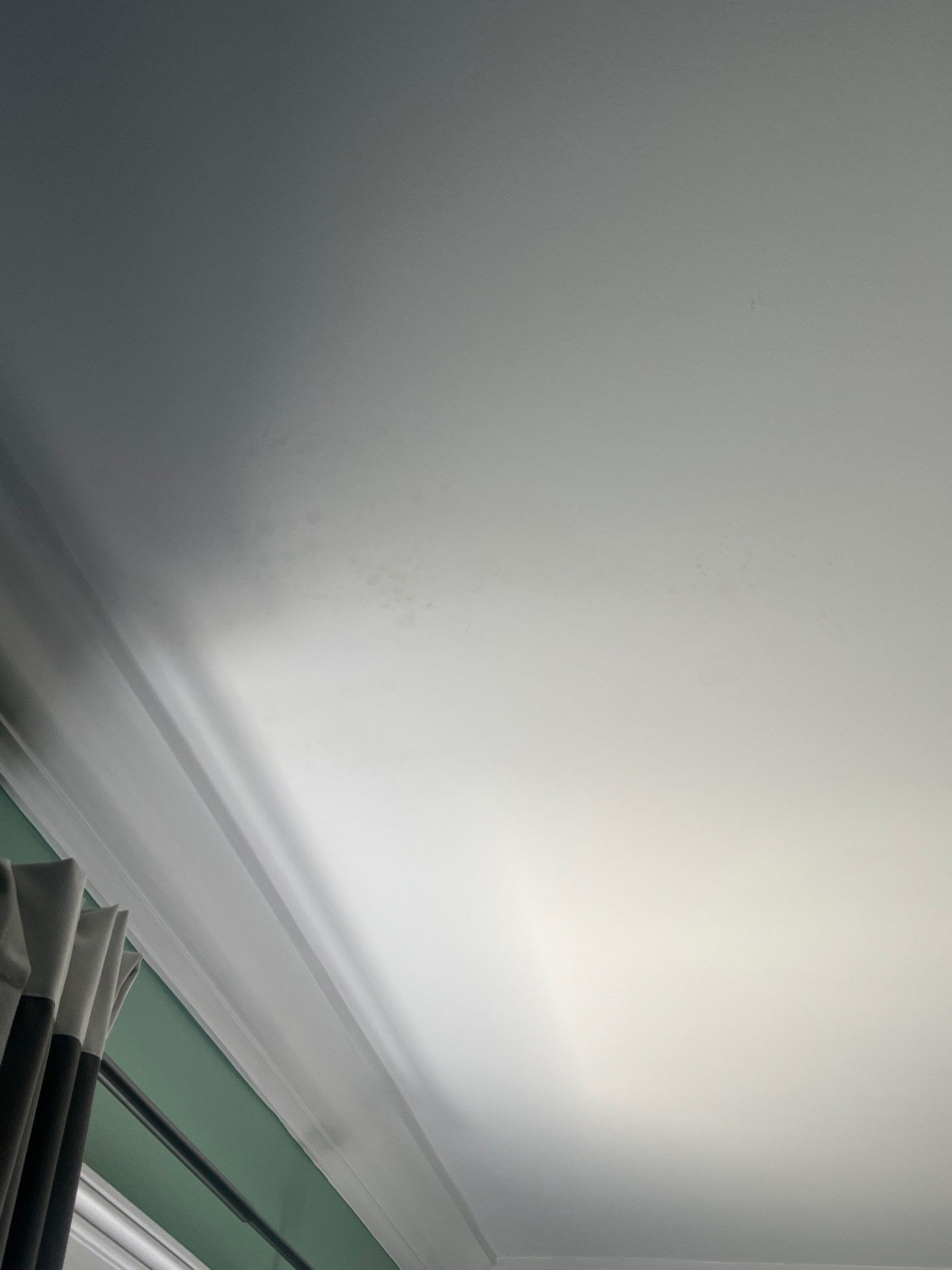
A Harrisburg homeowner in the 17103 postal code area contacted Harrisburg Restoration after noticing discoloration on the master bedroom ceiling. Initial inspection by our IICRC-certified mold remediation technicians revealed elevated moisture readings consistent with either a slow roof leak or attic condensation cycling—a common dual-cause failure in older south-central Pennsylvania homes with low-pitch roof construction.
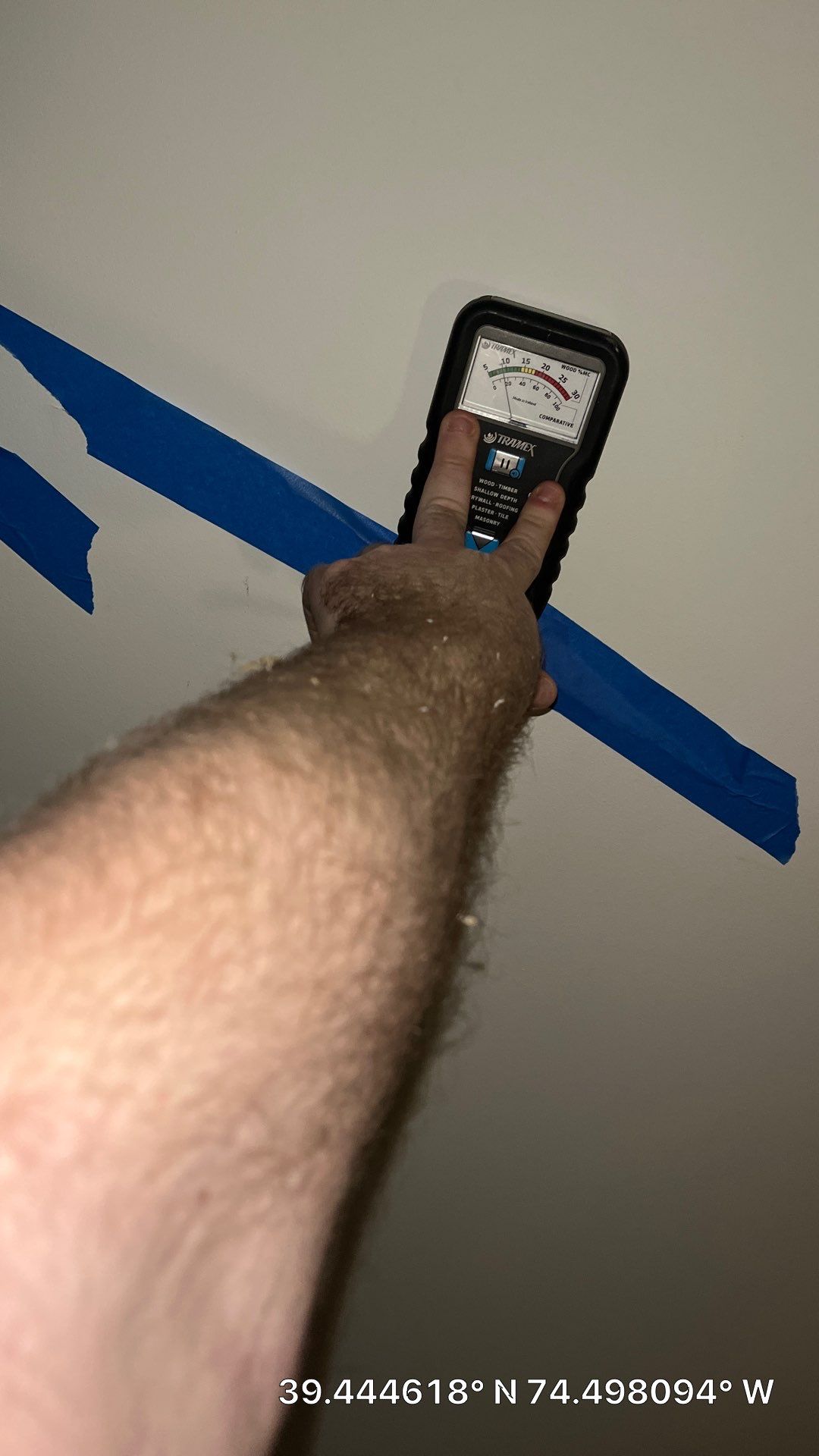
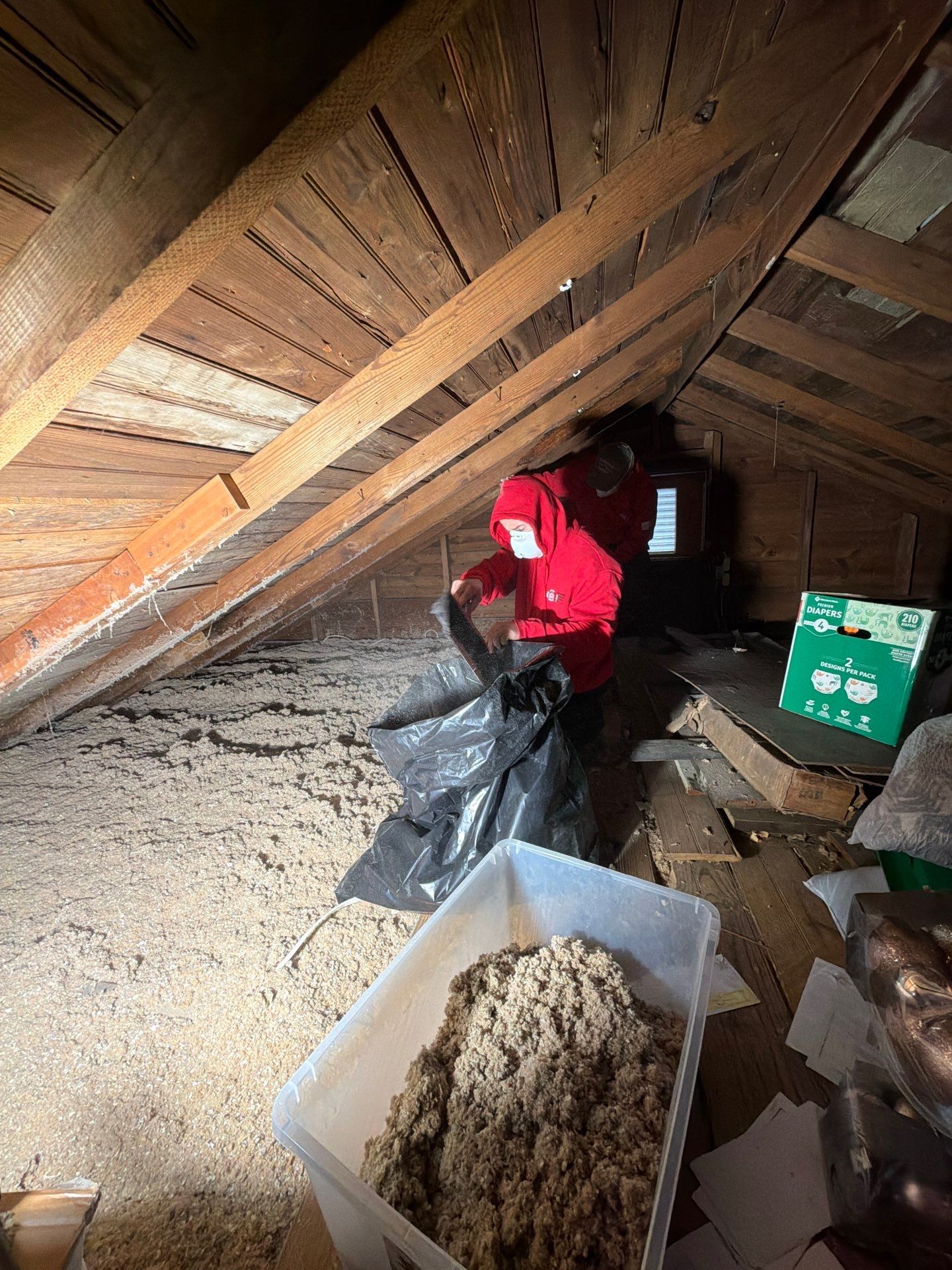
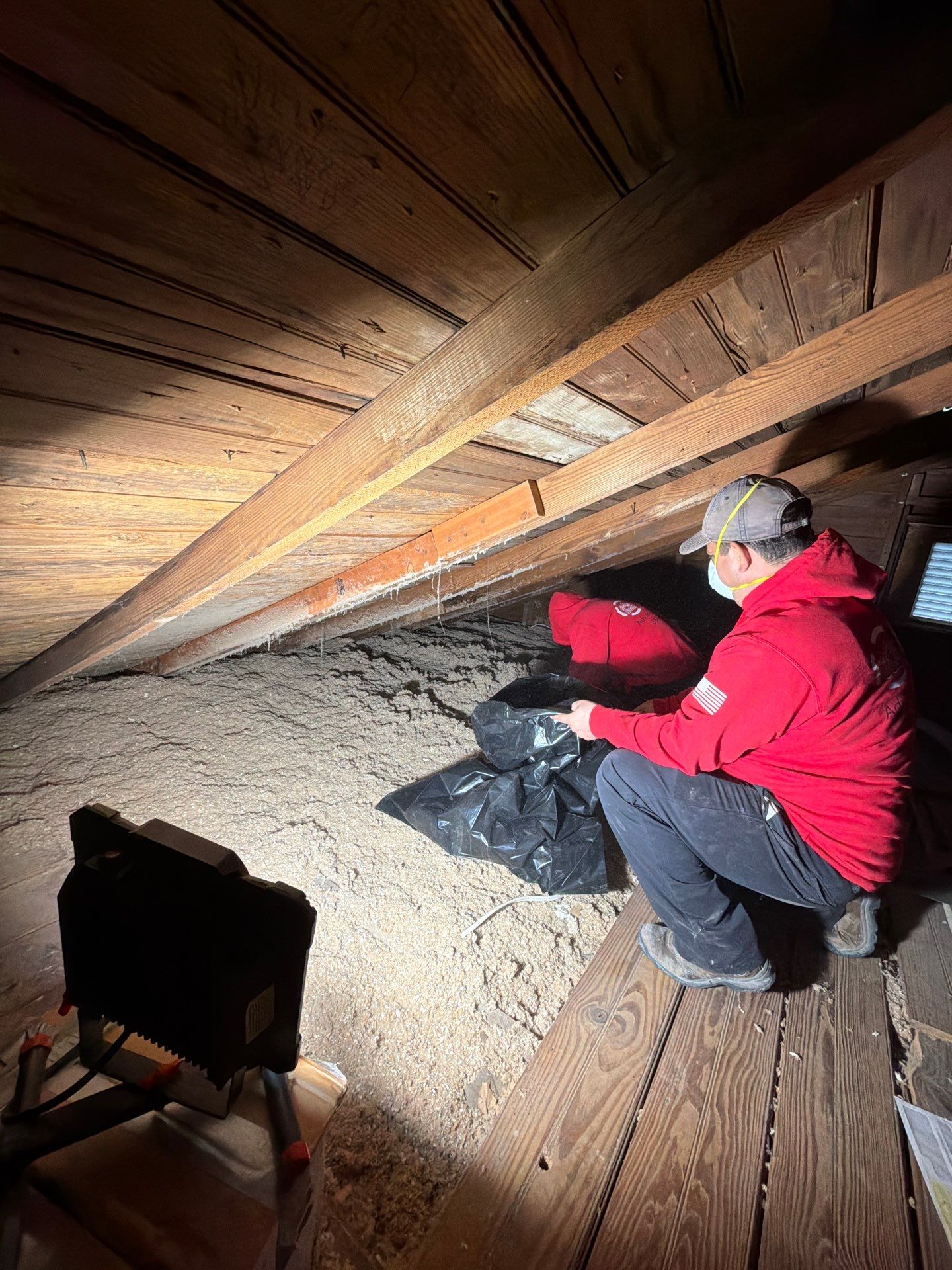
Rather than defaulting to full ceiling demolition, our team deployed a non-invasive Tramex impedance moisture meter to map the exact saturation footprint. This surgical approach allowed us to remove contaminated cellulose insulation from the attic side under HEPA-filtered negative air pressure, preserving the painted finished ceiling below and minimizing the homeowner’s reconstruction costs.
“Moisture mapping before demolition is the difference between a four-day remediation and a four-week reconstruction. Harrisburg Restoration’s protocol prioritizes diagnostic precision so we only remove what must be removed.”
Strategic Response: Why Harrisburg Restoration’s Local Position Matters
Mold remediation timing is dictated by biology, not convenience. Once moisture content in cellulose or wood substrates climbs above 16% MC, the conditions for active mold colonization are present. With ambient humidity in the Susquehanna Valley regularly exceeding 60% during spring months, attic environments become particularly susceptible to compounding contamination events.
Centralized Service from Postal Code 17111
Harrisburg Restoration operates from a central headquarters in postal code 17111, positioning our crews within rapid response distance of every neighborhood across the greater Harrisburg metropolitan area. For the 17103 area where this remediation took place, our response team mobilized containment equipment, HEPA filtration units, and PPE within hours of the initial moisture inspection call.
Harrisburg Service Coverage Map
Response Reach from Postal Code 17111
Understanding the Incident: Suspected Roof Leak with Condensation Migration
Mold remediation in residential attics typically begins with a diagnostic question: is the moisture source an active leak, or is the substrate accumulating condensation from improper ventilation? In this Harrisburg case, both possibilities were on the table, and our initial assessment had to rule each one in or out before remediation could begin.
The Source: Stratified Moisture Patterns
Tramex moisture meter readings on the master bedroom ceiling registered above 25% moisture content—well above the 16% threshold at which mold colonization becomes probable. Attic rafter readings showed 18% MC, with the heaviest saturation concentrated near the roof-wall junction where attic insulation had collapsed onto warmer interior surfaces.
Why Older Harrisburg Homes Are Susceptible
Many homes in the 17103 area were built with low-pitched roof construction that creates restrictive attic clearance and limits passive ventilation. When daytime solar gain warms the roof deck and overnight temperatures drop the interior surfaces, the resulting dew point shift drives moisture into porous cellulose insulation. Repeated cycles compound the contamination.
Initial Moisture Diagnostic Readings
Master Bedroom Ceiling (interior side): Above 25% MC—severe saturation indicator triggering immediate remediation protocol.
Attic Rafters (structural timber): 18% MC—active colonization threshold, requiring containment and dehumidification.
Roof Decking Boards: Variable readings between 15% and 19% MC, mapping moisture migration patterns from ridge to eave.
Property Assessment and Scope of Damage
The Harrisburg Restoration assessment team documented two distinct damage zones requiring coordinated remediation: an upper attic zone with contaminated cellulose insulation and structural timber moisture, and a lower master bedroom zone with ceiling staining and elevated drywall moisture content.
Zone 1: Attic Space (Approximately 400 Square Feet)
The attic contained loose-fill cellulose insulation with visible moisture clumping and discoloration. Roof rafters and decking boards showed elevated readings concentrated in a corridor running from the suspected leak entry point toward the lowest pitch of the roofline. Stored household items in the attic required documentation and protection during remediation.
Zone 2: Master Bedroom Ceiling (Approximately 150 Square Feet)
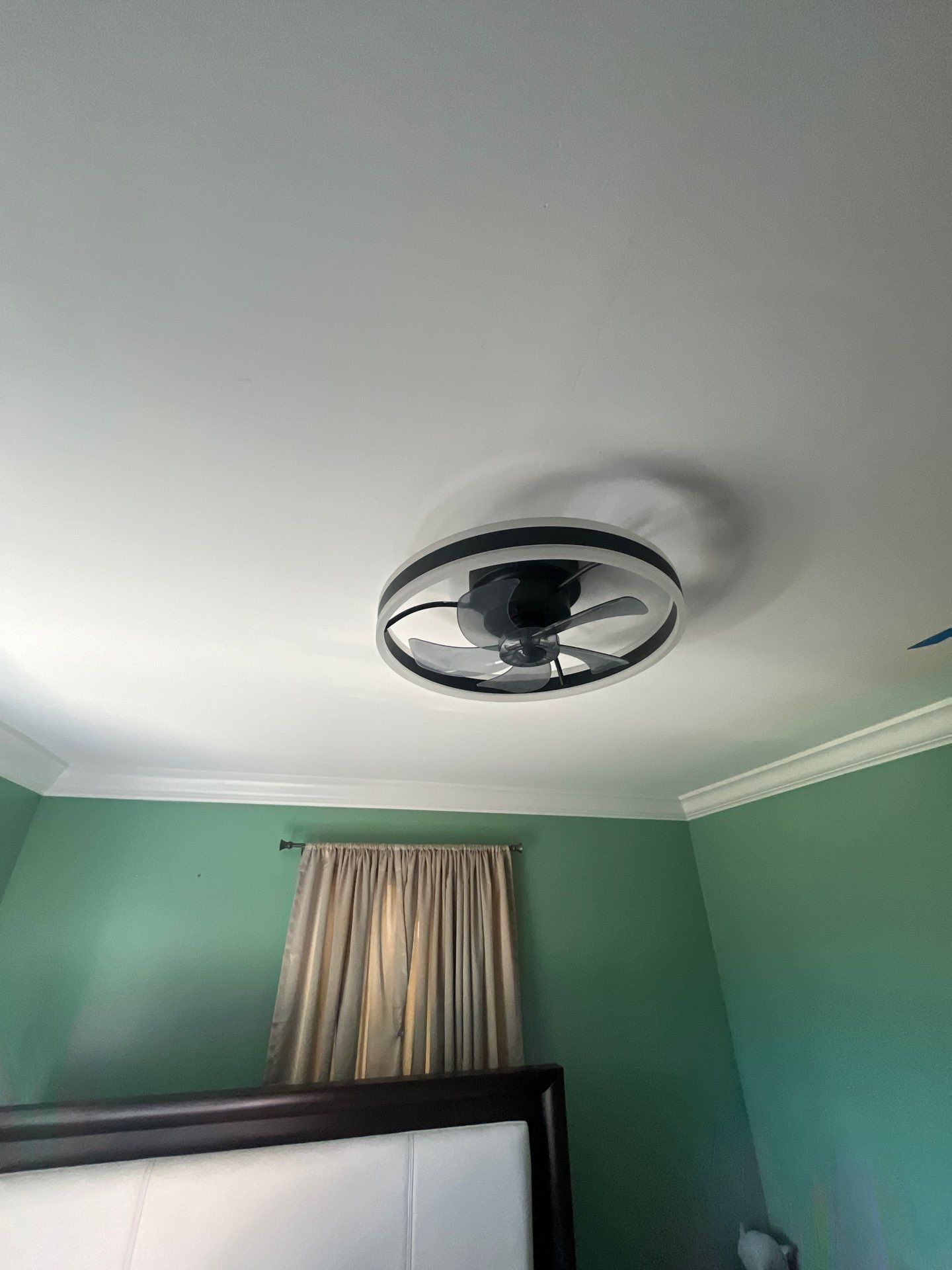
The bedroom directly below the affected attic zone showed visible ceiling discoloration in a diffuse pattern consistent with moisture wicking through drywall rather than active dripping. The painted ceiling finish was intact, with no sagging or structural compromise—an important finding that opened the door to surgical remediation from the attic side rather than full ceiling demolition.
Mold Growth Progression Timeline
Why Mold Remediation Cannot Wait
24-48 Hours
3-7 Days
1-3 Weeks
Beyond 3 Weeks
Response Strategy: Containment Before Removal
Harrisburg Restoration’s mold remediation protocol follows IICRC S520 standards, which require that contaminated work zones be isolated under negative air pressure before any material disturbance begins. In this Harrisburg project, the proximity of an actively used bedroom directly beneath the work area made containment the highest priority.
The Critical Window: Why Surgical Beats Demolition
When mold contamination is identified within the first three weeks of moisture intrusion, surgical remediation—targeted material removal guided by moisture mapping—remains viable. Beyond that window, structural penetration typically forces full ceiling demolition. Our early-stage diagnostic confirmed this Harrisburg case fell within the surgical window.
The Two-Technician Advantage
Two Harrisburg Restoration technicians worked the project in coordinated rotation: one inside the contained attic zone performing manual cellulose removal under HEPA negative air, the second managing waste containment, equipment monitoring, and documentation. This division allowed continuous progress while preventing PPE breach incidents in the cramped attic environment.
Critical Containment Measures Deployed
Negative Air Pressure: HEPA air scrubber established airflow from clean zones toward the contaminated attic, preventing spore migration into the home.
Critical Barriers: Polyethylene sheeting sealed the attic access hatch and any penetrations between the attic and living quarters.
Personal Protective Equipment: N-95 respirators, Tyvek coverall suits, and nitrile gloves protected technicians from spore exposure during cellulose handling.
Decontamination Protocol: Staged removal procedures ensured contaminated material exited the home through a controlled pathway without spreading particulate.
Equipment Deployment Analysis
The equipment package for this Harrisburg mold remediation was calibrated to the specific challenges of a confined attic space: low clearance, mixed substrate types (cellulose insulation plus structural timber), and adjacent occupied living space. Each unit served a defined role in the containment-removal-drying sequence.
Primary Equipment Inventory
Below is the equipment deployed during the four-day remediation cycle, with role descriptions and technical specifications for each unit type.
HEPA Air Scrubber
The HEPA air scrubber served as the cornerstone of containment. By drawing air through a high-efficiency particulate filter while exhausting through a sealed duct, it created the negative pressure differential that prevented mold spores from escaping the attic work zone into occupied areas of the home.
HEPA 99.97% at 0.3 microns
Negative pressure containment
4-6 per hour minimum
Attic work area
Industrial Air Mover (High-Velocity Axial)
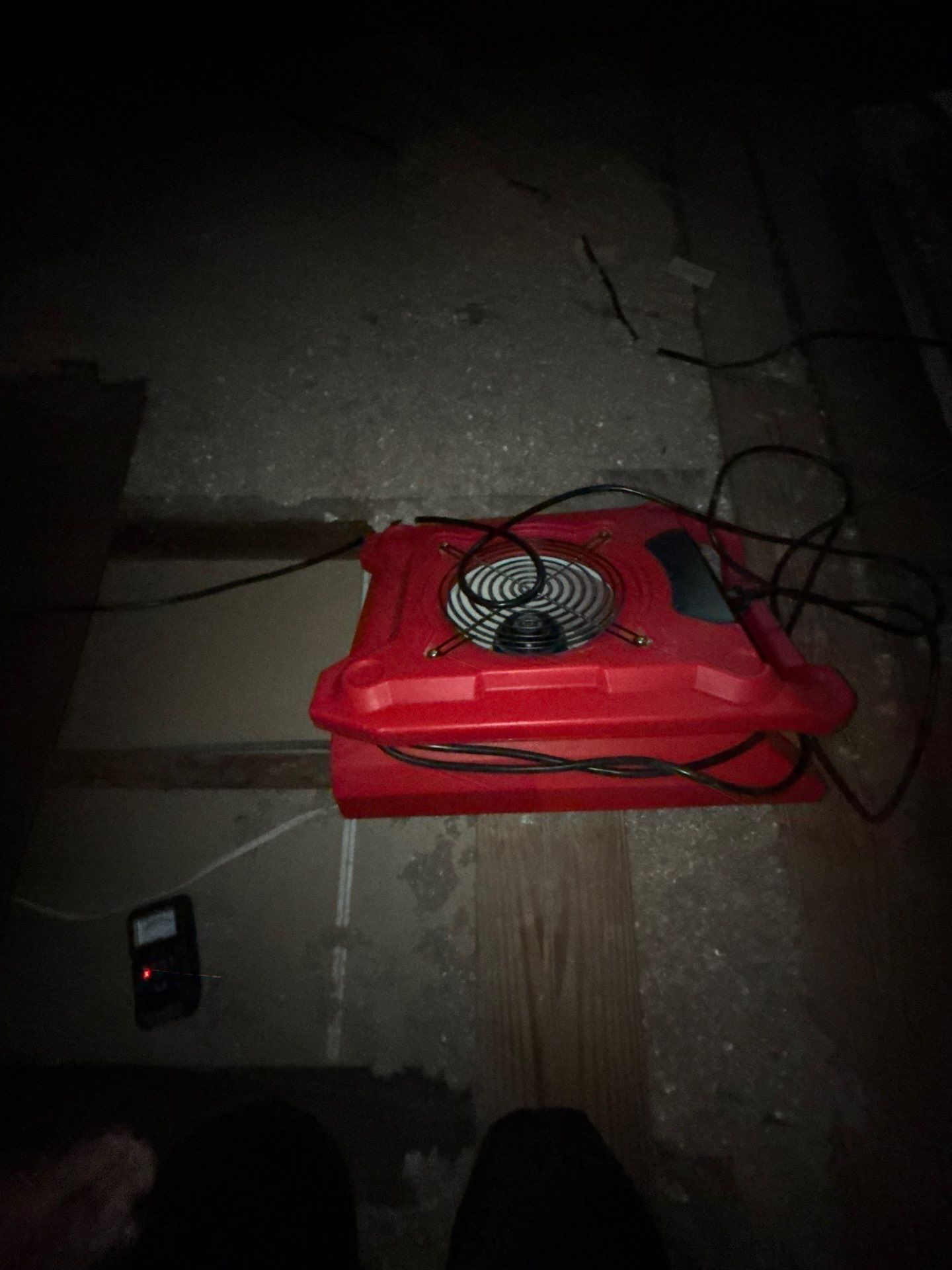
Following insulation removal, a low-profile red axial air mover was positioned on the attic decking to drive directional airflow across exposed roof rafters and decking boards. This accelerated evaporation of bound moisture in the structural timber, returning rafters from the 18% MC starting point to dry standard within the four-day cycle.
Low-profile axial design
Structural timber drying
Direct rafter exposure
Fits low-pitch attic
Tramex Non-Invasive Moisture Meter
The Tramex impedance meter was the diagnostic tool that made surgical remediation possible. By reading moisture content through finished surfaces without puncturing them, it allowed our technicians to map the saturation footprint on the bedroom ceiling and target attic-side removal precisely above the affected area.
Non-invasive impedance
Drywall, plaster, wood, tile
Moisture mapping diagnostic
Zero penetration required
Restoration Timeline and Methodology
The Harrisburg Restoration team executed this mold remediation project across four working days, sequenced to allow drying intervals between active removal phases. Each day was structured around specific moisture targets and visual inspection milestones.
Surgical Insulation Removal: Why Ceiling Demolition Was Avoided
The most consequential decision in this Harrisburg mold remediation came on Day 1, when moisture mapping revealed that the saturation pattern on the bedroom ceiling could be addressed entirely from the attic side. This finding triggered the surgical removal protocol rather than the standard ceiling demolition response.
Why Surgical Removal Was Possible
Three diagnostic conditions had to align for surgical remediation: ceiling drywall had to remain structurally intact, moisture penetration had to be confined to the upper face of the drywall rather than saturating both sides, and the attic clearance had to allow technician access to the affected zone from above. All three conditions held in this case.
What This Saved the Homeowner
Avoiding full ceiling demolition eliminated drywall replacement, primer and paint application, ceiling fan removal and reinstallation, and the associated debris cleanup. The finished ceiling remained intact through the entire four-day cycle, with only minor surface remediation required after the moisture source was eliminated.
“The Tramex meter is the difference. When you can see the moisture pattern through the surface, you stop guessing about where to cut and start working with precision.”
Project Data & Analytics
Moisture Content Reduction
Ceiling Day 1
Rafters Day 1
Ceiling Day 4
Rafters Day 4
Surgical vs Demolition Approach
Common Attic Mold Sources in Harrisburg
38%
31%
19%
12%
Material Outcome Breakdown
Preserved
Harrisburg Restoration’s 5-Step Mold Remediation Process
Clearance Verification and Project Outcomes
Mold remediation is only complete when post-remediation verification confirms three conditions: moisture content has returned to dry standard, visible contamination is absent, and the work zone is free of residual debris that could harbor surviving spores. Harrisburg Restoration met all three benchmarks on Day 4 of this project.
Final Moisture Readings
All structural timber—including roof rafters, decking boards, and the upper face of the bedroom ceiling—returned to below 12% moisture content, the industry-recognized dry standard for cellulose-based materials. Readings were verified across multiple grid points within the affected zone to confirm uniform drying rather than spot-targeted success.
Visual Clearance Inspection
Post-remediation visual inspection of the attic decking confirmed no visible debris, staining, or surviving contamination. The work zone was HEPA-vacuumed to remove residual particulate before containment removal, ensuring no settled spores remained on horizontal surfaces.
| Verification Metric | Initial Reading | Final Reading | Status |
|---|---|---|---|
| Bedroom Ceiling MC | Above 25% | Below 12% | Pass |
| Attic Rafter MC | 18% | Below 12% | Pass |
| Roof Decking MC | 15-19% | Below 12% | Pass |
| Visible Debris | Contaminated cellulose | None | Pass |
| Containment Integrity | Established | Maintained throughout | Pass |
Harrisburg and South-Central Pennsylvania: Understanding Local Mold Risk Factors
Mold remediation needs in the greater Harrisburg metropolitan area are shaped by a distinctive combination of climate, housing stock, and topography. Properties across postal codes 17101 through 17112 face mold risk factors that differ meaningfully from drier Pennsylvania regions, and Harrisburg Restoration’s protocols are calibrated specifically for these conditions.
Susquehanna Valley Humidity Patterns
The Susquehanna River corridor that defines Harrisburg’s geography also defines its humidity profile. Spring and summer humidity routinely exceeds 65% in residential interiors without active dehumidification, creating ideal conditions for attic condensation cycling. The 17103 area where this project took place sits within this humidity zone.
Older Housing Stock Considerations
Many Harrisburg neighborhoods feature housing stock built before modern attic ventilation standards. Low-pitched roof construction, limited soffit ventilation, and original cellulose insulation create a vulnerability profile that requires diagnostic-first remediation rather than standardized protocols.
Why Harrisburg Residents Choose Harrisburg Restoration
Harrisburg Restoration operates from a centralized headquarters in postal code 17111 with rapid mobilization capability across Dauphin, Cumberland, and surrounding counties. Our technicians are IICRC-certified in mold remediation and applied microbial remediation, and our diagnostic-first approach prioritizes preserving finished surfaces wherever surgical remediation remains viable. We are part of the Advanced DRI network of regional restoration specialists serving the Mid-Atlantic.
Project Documentation Gallery
The following project photographs document key phases of the Harrisburg mold remediation, from initial moisture diagnostics through final structural drying. Each image illustrates a critical decision point in the surgical remediation protocol.
Key Takeaways from This Harrisburg Mold Remediation Project
This four-day mold remediation in postal code 17103 demonstrates the practical value of diagnostic-first protocols in attic contamination cases. By prioritizing non-invasive moisture mapping before any material disturbance, Harrisburg Restoration preserved the master bedroom ceiling intact, contained spore migration entirely within the attic work zone, and returned all structural timber to dry standard within the four-day window.
The surgical approach reduced project duration by an estimated 10 to 17 days compared to a full ceiling demolition pathway, and eliminated the homeowner’s need for drywall replacement, repainting, and fixture reinstallation. For Harrisburg-area homeowners facing similar attic moisture concerns in postal codes 17101 through 17112 and surrounding service areas, early-stage diagnostic intervention remains the single most important factor in determining whether remediation will be surgical or destructive.
To schedule a mold inspection or moisture assessment with Harrisburg Restoration, call (717) 232-5444. Our headquarters in postal code 17111 mobilizes certified mold remediation technicians across south-central Pennsylvania, with rapid response across Dauphin, Cumberland, Lebanon, and surrounding counties.